Why Commercial Property Safety Inspections Are Critical
Commercial buildings are used by employees, tenants, customers, vendors, and visitors every day. When a building has hidden safety issues, people can get hurt, and operations can be disrupted. A loose handrail, blocked exit, damaged electrical component, or wet walking surface may seem small at first, but it can create serious risk if ignored.
This is why commercial property safety inspections are so important. They help owners and managers find visible hazards before those concerns lead to accidents, repair emergencies, or tenant complaints.
For owners, investors, lenders, and property managers, safety inspections in Southern California can also support better planning. They help document building conditions, prioritize repairs, and maintain safer spaces for the people who use the property.
Safety Is Part of Responsible Property Ownership
A commercial building is more than a physical asset. It is a space where people work, shop, meet, store goods, and conduct business. Property owners and managers have a responsibility to keep that space reasonably safe and functional.
Commercial property inspections help identify conditions that may affect people or building operations. These inspections are not just about finding problems. They help create a clearer picture of how the property is performing and what needs attention.
For example, a cracked walkway may create a trip concern. Poor lighting in a parking area may affect visibility. Water intrusion may damage materials and increase indoor air quality concerns. When these issues are documented early, owners can respond before they grow.
Common Safety Concerns Inspectors May Find
- Walking surface hazards: Uneven sidewalks, damaged flooring, loose mats, and cracked pavement can increase the risk of trips and falls. These areas are especially important in retail centers, office buildings, and public access spaces.
- Electrical concerns: Damaged panels, exposed wiring, overloaded components, and signs of overheating may create safety risks. When electrical concerns are found, a licensed electrical contractor may need to review the system further.
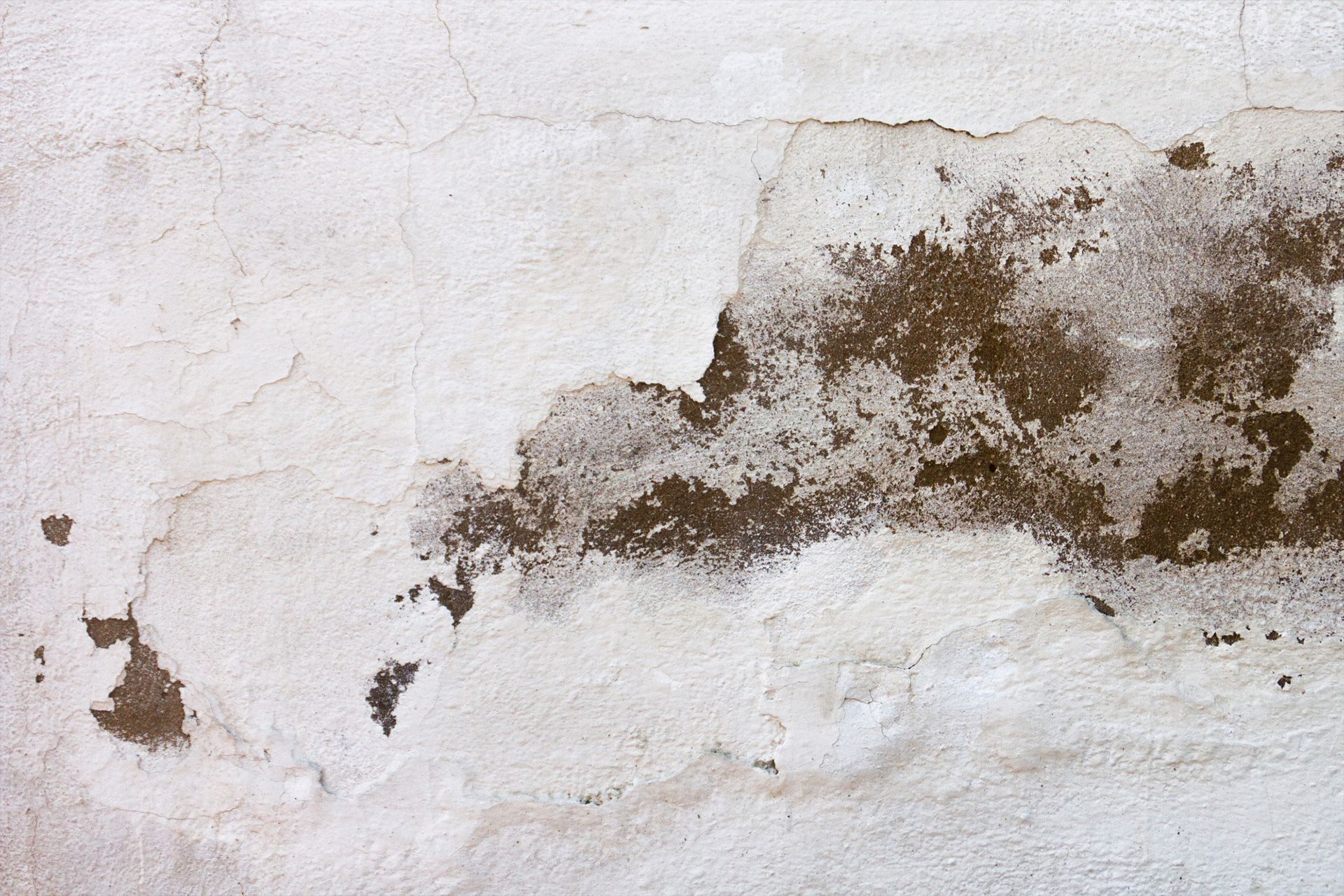
- Moisture and water damage: Leaks, roof stains, plumbing issues, and poor drainage can create damage and unsafe conditions. Moisture concerns may also point to larger building maintenance problems.
- Fire and exit concerns: Blocked exits, damaged exit signs, missing safety labels, and poor access routes can create problems during an emergency. These items should be reviewed carefully in occupied buildings.
Why Local Building Conditions Matter
Every region creates different building maintenance and safety inspection challenges. Southern California should consider local conditions such as sun exposure, older commercial buildings, coastal air in some areas, heavy use, and changing tenant needs.
For example, outdoor surfaces may wear down from heat and traffic. Roof materials may age faster when exposed to strong sunlight. Mechanical equipment may show corrosion or deferred maintenance depending on location and service history.
A local inspection approach helps connect visible safety concerns with real property conditions. This is especially useful for owners managing multiple sites, investors reviewing acquisitions, or tenants preparing to lease space.
Safety Inspections Support Better Risk Management
Risk management means identifying possible problems before they create larger issues. Commercial property safety inspections support this by giving owners a clear record of visible conditions.
This documentation can help property stakeholders decide what needs immediate attention and what can be planned for future maintenance. It also supports communication between owners, tenants, vendors, asset managers, and repair professionals.
For example, if an inspection finds poor drainage near a building entrance, the owner can review repair options before water damages flooring or creates a slipping concern. If an inspector documents damaged stair components, the property manager can address the issue before daily use causes greater risk.
Areas That Deserve Extra Attention
- Entry points and exits: Main entrances, emergency exits, ramps, stairs, and corridors should remain accessible, visible, and safe to use. Blocked or damaged access points can affect both normal use and emergency response.
- Parking lots and exterior lighting: Parking areas often receive heavy foot and vehicle traffic. Cracks, potholes, faded markings, poor lighting, and drainage problems can create safety concerns for visitors and tenants.
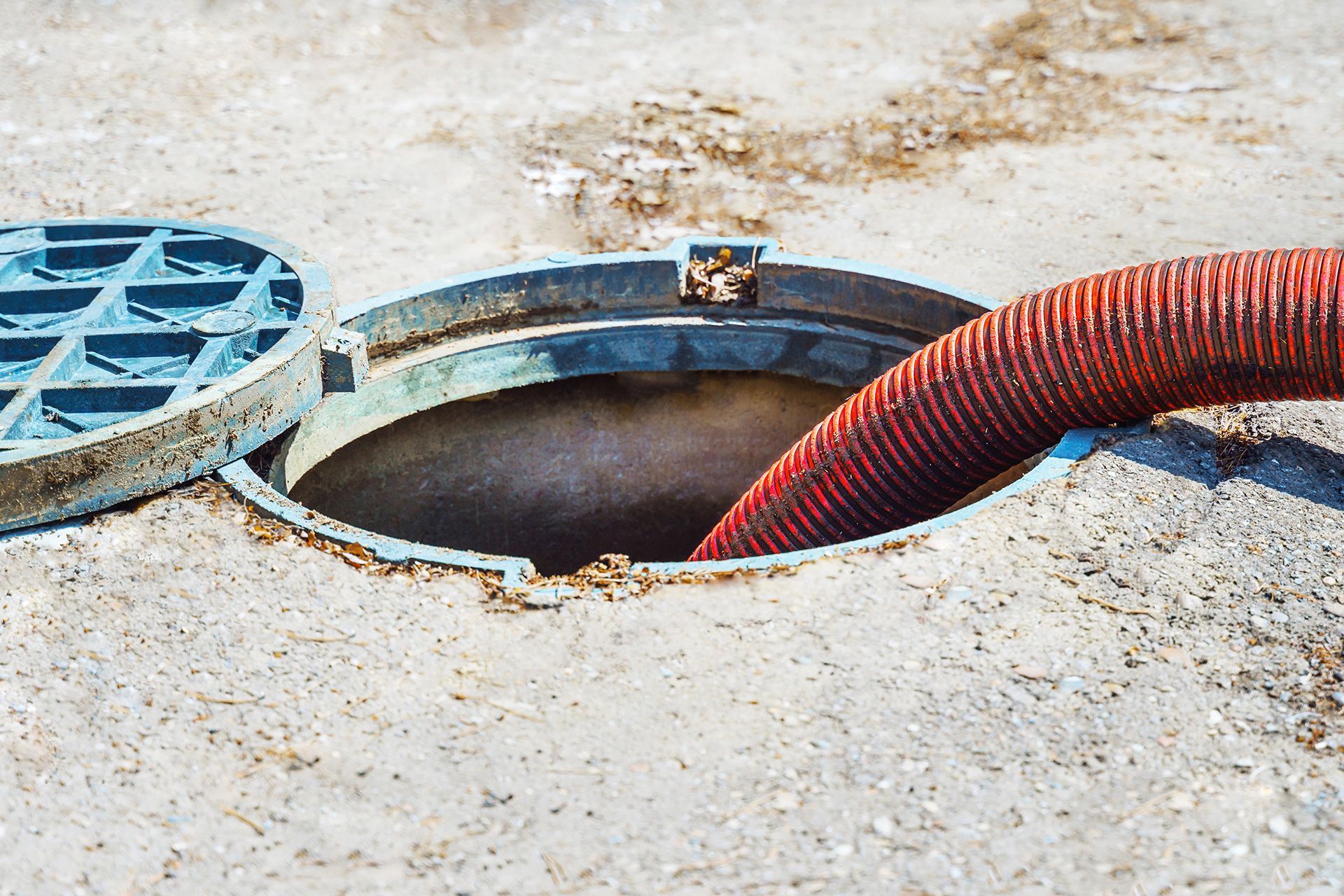
- Roof and drainage systems: Roof leaks and clogged drainage systems can lead to interior damage, mold concerns, and unsafe wet areas. Inspectors may document visible roof wear, stains, ponding water, or drainage issues.
- Interior common areas: Lobbies, hallways, restrooms, tenant spaces, and storage areas may show signs of wear, water damage, poor lighting, or unsafe conditions. These areas can affect both tenant satisfaction and daily operations.
Supporting Compliance Without Guesswork
A general safety inspection is not the same as a full code compliance review. However, it can still help identify visible conditions that may require attention from qualified specialists.
Safety inspections in Southern California can be helpful when property owners want to understand visible building concerns before contacting contractors, engineers, electricians, roofers, or other professionals.
The commercial inspection report may recommend further evaluation when a condition is outside the scope of a general visual inspection. This helps owners avoid guessing and gives them a clearer next step.
Protecting Tenants, Visitors, and Daily Operations
Unsafe conditions can affect more than the building owner. They can affect tenants, employees, customers, delivery workers, and guests.
A safe building helps support smoother daily operations. Tenants may feel more confident when the property is maintained, walkways are clear, lighting works properly, and known hazards are addressed.
Commercial property safety inspections also help property managers respond to tenant concerns with better information. Instead of waiting for repeated complaints, owners can use inspection findings to take a more proactive approach.
Conclusion
Commercial property safety inspections help owners and managers move from guesswork to clear decision-making. They provide documented insight into visible hazards, maintenance concerns, access issues, drainage problems, electrical risks, and other conditions that may affect people, operations, and long-term property value.
The real value is not only finding problems. It is knowing what needs attention, what should be monitored, and how to plan repairs before small concerns become larger disruptions. This makes inspections useful for property purchases, lease reviews, tenant safety, capital planning, and ongoing management.
How GV Commercial Building Inspections Can Help
GV Commercial Building Inspections helps commercial property owners, buyers, tenants, investors, lenders, asset managers, and property managers better understand building conditions through detailed inspection services.
Our team reviews visible property conditions and provides clear reporting to support informed decisions. Whether you need a commercial building inspection or property condition assessment, we help identify concerns that may affect safety, function, and long-term property value.
Contact our team today to schedule your commercial property inspection.
FAQs
What is the purpose of a commercial safety inspection?
The purpose is to identify visible safety concerns that may affect occupants, visitors, operations, or property value. The inspection helps owners understand what needs attention.
Is a safety inspection the same as a code inspection?
No. A safety inspection reviews visible property conditions. A formal code inspection is usually completed by a local authority or qualified code professional.
Who should schedule a safety inspection in Southern California?
Property owners, buyers, tenants, lenders, investors, asset managers, and property managers can all benefit from understanding safety-related building conditions.
What areas are commonly reviewed?
Common areas include walkways, parking lots, roofs, drainage systems, electrical components, interiors, exits, stairs, lighting, and visible building systems.
Can inspections help with long-term maintenance planning?
Yes. Inspection reports help identify current concerns and support better planning for repairs, maintenance, lease decisions, and capital improvements.
Disclaimer: The information on this website and blog is for general informational purposes only and is not professional advice. We make no guarantees of accuracy or completeness. We disclaim all liability for errors, omissions, or reliance on this content. Always consult a qualified professional for specific guidance.
Search
Recent Posts