Commercial Property Inspection Checklist For Southern California
Buying, leasing, refinancing, or managing a commercial property requires more than a quick tour. A property can look well-maintained yet still have roof wear, drainage problems, aging equipment, electrical issues, plumbing defects, or maintenance needs.
A commercial property inspection checklist gives buyers, investors, tenants, lenders, owners, and property managers a practical way to review key areas that need attention. It also helps organize questions before and after the professional inspection.
The checklist below is designed for commercial properties in Southern California, including offices, retail buildings, warehouses, restaurants, medical spaces, and multi-tenant properties. It focuses on visible and accessible conditions. Inspection scope can vary by building type, access, client needs, and the inspection agreement.
1. Exterior, Roof, Site, and Structure Checklist
The outside of a commercial property can reveal how well the building manages weather, drainage, traffic, and long-term wear. Review these areas together because a single exterior issue can affect multiple building components.
Check the following:
- Roof surfaces and drainage: Look for worn materials, damaged flashing, open seams, ponding water, damaged penetrations, or previous repairs. Note whether roof drains, scuppers, and gutters appear blocked or damaged.
- Exterior walls and building envelope: Check for cracks, staining, damaged finishes, failed sealant, and openings around doors, windows, vents, and utility penetrations. These conditions may allow moisture to enter.
- Foundation and visible structure: Review accessible foundation walls, columns, beams, and framing for significant cracks, movement, corrosion, impact damage, or deterioration. Unusual conditions may require a structural professional.
- Windows and exterior doors: Confirm accessible doors and windows appear secure and operate as expected. Look for damaged glass, failed seals, corrosion, water staining, or loose hardware.
- Parking, walkways, and loading areas: Note major cracking, potholes, settlement, standing water, damaged curbs, uneven walking surfaces, loose railings, or damaged steps.
- Site grading and drainage: Check whether water drains away from the building. Look for low areas, erosion, blocked drains, staining, or signs that water regularly collects near walls or entrances.
- Exterior lighting and site features: Review visible lighting, signs, fences, gates, retaining walls, and similar features for damage or deferred maintenance.
Coastal exposure and strong sun can affect exterior finishes, sealants, metal components, and roofing. The inspection should focus on actual observed conditions rather than age alone.
2. Interior, Plumbing, Electrical, and HVAC Checklist
Interior spaces often reveal how building systems are performing. Stains, odors, temperature differences, damaged finishes, or unusual sounds can indicate problems that warrant closer review.
Check the following:
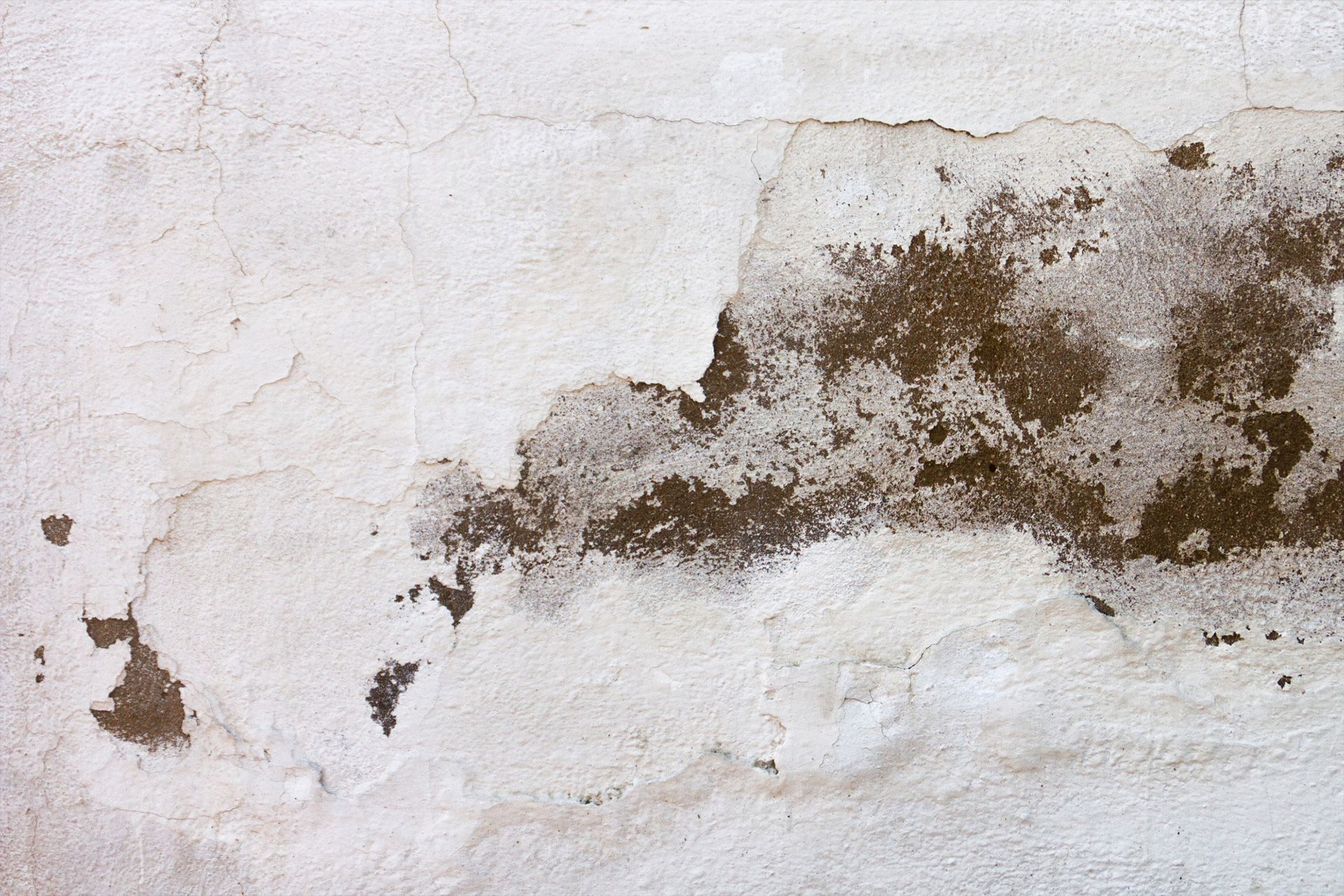
- Walls, ceilings, and floors: Look for water stains, cracks, damaged ceiling tiles, soft flooring, uneven surfaces, peeling finishes, or signs of previous repairs.
- Restrooms and plumbing fixtures: Check accessible sinks, toilets, faucets, drains, and visible piping for leaks, poor drainage, corrosion, loose fixtures, or water damage.
- Visible supply and drain piping: Inspect accessible pipes for corrosion, active leaks, temporary repairs, damaged supports, or signs of past leaks. You cannot directly inspect hidden piping.
- Electrical panels and equipment: Look for visible damage, open spaces, missing covers, signs of overheating, corrosion, poor labeling, or unsafe access. Electrical concerns may require a licensed electrician.
- Outlets, switches, and lighting: Sample accessible components where appropriate and note damaged devices, loose covers, nonworking fixtures, or other visible concerns.
- Heating and cooling equipment: Review accessible HVAC equipment for general condition, visible corrosion, unusual noise, damaged insulation, dirty filters, moisture, and maintenance concerns.
- Condensate and mechanical areas: Look for blocked or leaking condensate lines, water on floors, corrosion, unusual odors, or conditions that make routine equipment service difficult.
The purpose is not to predict exactly when equipment will fail. It documents visible condition and identifies systems that may need service records, specialist evaluation, repair planning, or closer monitoring.
3. Safety, Access, and Occupancy Checklist
A commercial property must support the people who use it every day. Document visible safety and access concerns, but a standard property inspection is not a complete code compliance, fire protection, or accessibility survey unless those services are specifically included.
Check the following:
- Exit routes and doors: Review accessible exit paths for obvious obstructions, damaged doors, missing hardware, or conditions that could interfere with normal use.
- Stairs, guards, and railings: Look for loose handrails, damaged steps, missing guards, uneven surfaces, or deterioration in high-traffic areas.
- Fire protection components: Note visible extinguishers, sprinkler components, alarms, or related equipment when included in the scope. Confirm certification and testing through qualified providers.
- Accessibility features: Observe parking spaces, routes, ramps, entrances, and restroom features when relevant. A general inspection should not be represented as a full ADA compliance determination unless specifically included.
- Tenant and common areas: Review corridors, lobbies, shared restrooms, storage rooms, and other common spaces for damage, leaks, lighting concerns, or deferred maintenance.
- Moisture warning signs: Note musty odors, visible mold-like growth, condensation, water staining, or other moisture indicators that may justify further evaluation.
- Restricted areas: Record rooms, roofs, tenant spaces, equipment areas, or other locations you could not inspect so the client does not assume you reviewed them.
A useful report should distinguish among an observed condition, a potential safety concern, and an item requiring specialized testing or professional evaluation.
4. Documents, Maintenance History, and Due Diligence Checklist
Physical observations become more useful when compared with records. Maintenance history can explain whether a visible repair was recent, temporary, or part of a larger project.
Request or review the following when available:
- Roof records: Ask for roof age information, warranties, leak history, repair invoices, maintenance reports, and replacement documents.
- HVAC service history: Review maintenance logs, equipment replacement dates, repair records, and service contracts to understand how major mechanical systems have been maintained.
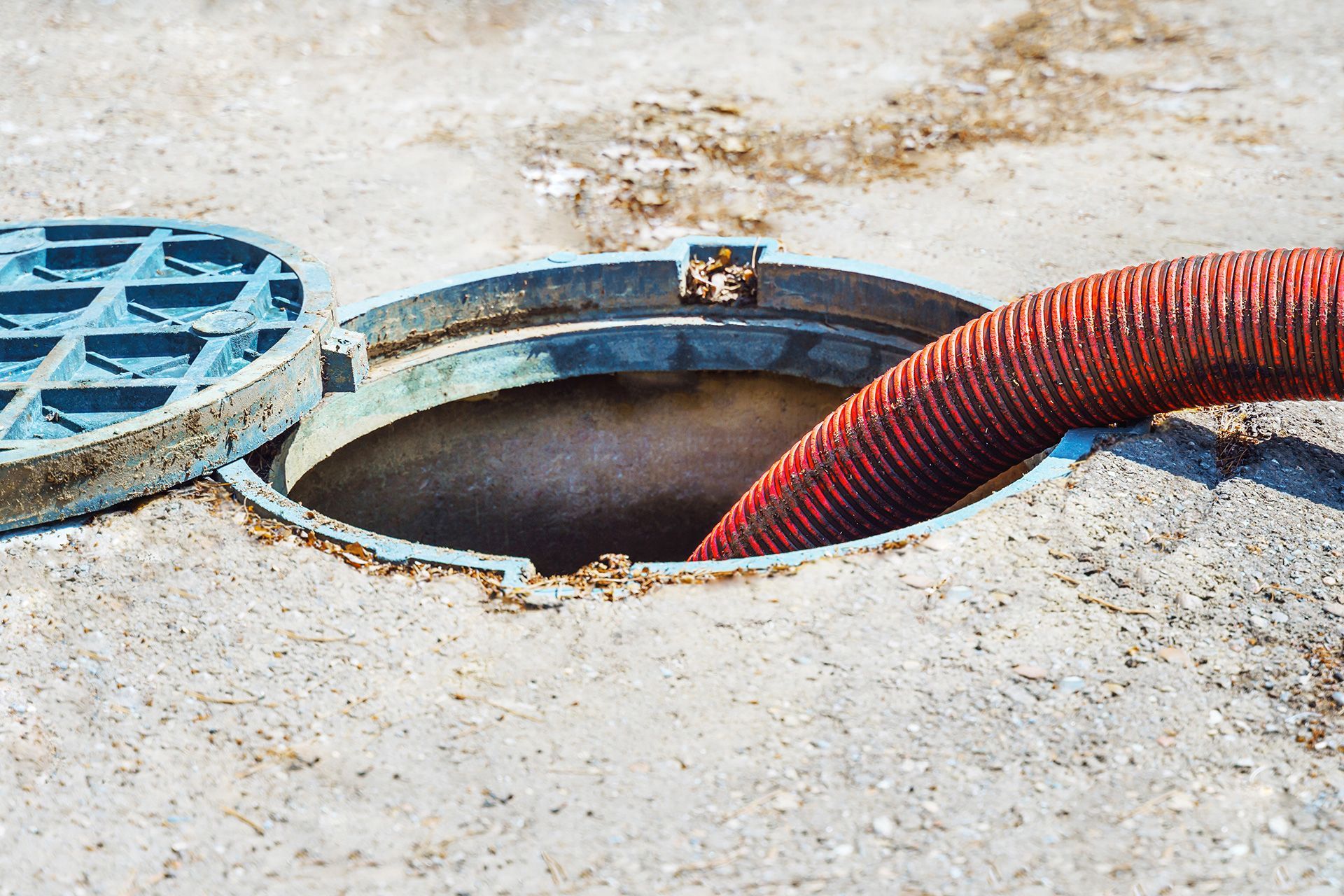
- Plumbing and sewer records: Look for recurring backups, pipe repairs, leak history, drain cleaning, or underground sewer work. Known drainage concerns may justify a separate sewer camera evaluation.
- Electrical work records: Ask about panel replacements, tenant improvements, major electrical repairs, generators, or other upgrades that could affect current use.
- Previous inspection reports: Older reports can help show whether a concern is new, unchanged, or previously repaired. They do not replace a current inspection.
- Permits and renovation records: Major additions, tenant improvements, roof work, structural changes, or equipment replacements may have useful documentation.
- Known problem history: Ask the seller, owner, or property manager about roof leaks, water intrusion, recurring drain issues, tenant complaints, equipment failures, or structural concerns.
- Responsibility details: For leased or multi-tenant properties, confirm which systems are controlled by the owner, tenant, or association, especially under triple net lease terms.
A complete inspection checklist should combine what you can see on site with records that explain how the property has been maintained.
How to Use the Checklist After the Inspection
Do not treat every finding as equal. A damaged ceiling tile, an active plumbing leak, an aging HVAC unit, and a major roof drainage problem require different responses.
Separate findings into items that need prompt attention, items that need specialist evaluation, and items that can be monitored or included in future maintenance planning. Review major concerns with the appropriate contractor, engineer, environmental professional, or other specialist when needed.
Buyers can use the report during due diligence discussions. Tenants may use it before accepting maintenance responsibility under a lease. Owners and property managers can use the findings to set maintenance priorities and build capital plans.
The checklist is most useful when observations become organized next steps.
Conclusion
A commercial inspection should give you more than a defect list. It should help you understand visible conditions, identify concerns, document limitations, and make better decisions about maintenance, leasing, purchasing, or asset planning.
For properties across Southern California, GV Commercial Building Inspections provides detailed inspections and clear reporting for buyers, investors, tenants, lenders, owners, and property managers. Our services support acquisitions, due diligence, lease reviews, triple net lease decisions, seller preparation, and capital planning.
Contact us today to schedule an inspection and get a clearer picture of the property before your next major decision.
FAQs
Does a commercial inspection cover every building system?
The scope depends on the property and agreement. Most inspections focus on visible and accessible major systems, while specialty testing, environmental reviews, and concealed conditions may require separate services.
Should I attend the commercial inspection?
Attendance can help you see important conditions and ask questions. The written report still documents findings for later review.
What happens if an area cannot be accessed?
The inspector should identify important access limitations in the report. The client may arrange later access or request a follow-up evaluation when needed.
Can an inspection tell me how long the roof or HVAC system will last?
It can document visible condition, age information when available, and maintenance concerns, but it cannot guarantee remaining service life or predict the exact date of failure.
Is a property inspection enough for commercial due diligence?
Not always. Depending on the property and transaction, buyers may also need environmental review, sewer inspection, specialist evaluations, surveys, appraisals, or legal and financial due diligence.
Disclaimer: The information on this website and blog is for general informational purposes only and is not professional advice. We make no guarantees of accuracy or completeness. We disclaim all liability for errors, omissions, or reliance on this content. Always consult a qualified professional for specific guidance.
Search
Recent Posts