What Is Included in a Commercial Inspection Report?
Buying, leasing, refinancing, or managing a commercial property requires clear information. A building may look clean and well-maintained during a walkthrough, but hidden concerns can still exist in its systems, structure, or site conditions. That is why a commercial inspection report is such an important tool.
This report provides buyers, investors, tenants, lenders, and property managers with a written record of the building's visible condition. It helps explain what the inspector found, where concerns were noticed, and what may need more attention.
When paired with professional commercial property inspection services, the report can support smarter decisions before a property transaction, lease agreement, renovation, or maintenance plan.
Why This Report Matters
Commercial buildings can include complex systems, larger spaces, multiple tenants, and different levels of use. Small problems can become serious if they are missed or ignored.
A commercial inspection report helps document issues before they become larger concerns. For example, a moisture stain on a ceiling may point to a roof leak. Uneven pavement may create safety concerns. Outdated electrical components may require further review by a qualified specialist.
The report also helps create a record of the building’s condition at a specific point in time. This can be useful during due diligence, lease discussions, property management planning, and future maintenance reviews.
1. General Property Information
Most reports begin with basic property details. This section helps identify the building and gives context for the inspection.
It may include the property address, building type, inspection date, weather conditions, occupancy status, and the building's general use. For example, the needs of a warehouse may differ from the needs of an office building, medical space, retail center, or industrial property.
This section may seem simple, but it helps organize the rest of the report and confirms the scope of the inspection.
2. Site and Exterior Conditions
The outside areas of a commercial property can affect safety, drainage, access, and building performance. Inspectors often review visible exterior features and document conditions that may need attention.
This may include parking areas, sidewalks, walkways, exterior lighting, drainage patterns, grading, retaining walls, and visible signs of water pooling. Poor drainage around a building can lead to foundation concerns, pavement damage, or moisture intrusion.
Exterior walls, doors, windows, siding, and other envelope components may also be reviewed. The building envelope helps protect the interior from weather, moisture, and outside conditions.
3. Roof and Drainage Observations
The roof is one of the most important parts of a commercial building. If the roof does not manage water properly, it can affect ceilings, walls, insulation, electrical systems, and interior finishes.
A report may include observations about roof materials, visible wear, flashing, roof penetrations, drainage points, ponding water, and signs of previous repairs. Inspectors may also document stains, soft areas, or visible conditions that suggest past or current leaks.
Commercial roofs can be difficult to evaluate without proper access. If access is limited, the report should clearly explain what was and was not inspected.
4. Structural Components
Structural observations help readers determine whether visible building components exhibit movement, damage, or deterioration.
This section may discuss foundations, walls, columns, beams, floors, ceilings, framing, and other accessible structural areas. Inspectors look for visible cracks, settlement, displacement, sagging, or signs of long-standing stress.
Not every crack means the building has a major structural problem. However, documenting these conditions allows owners and buyers to monitor them and request further evaluation when needed.
5. Plumbing System Findings
Plumbing problems can create water damage, tenant disruption, and maintenance and safety concerns. A commercial inspection report often includes visible plumbing observations throughout the property.
This may include supply piping, drain lines, fixtures, water heaters, shutoff valves, and signs of leaks or corrosion. Inspectors may also note water stains, damaged materials, or moisture issues that may be related to plumbing conditions.
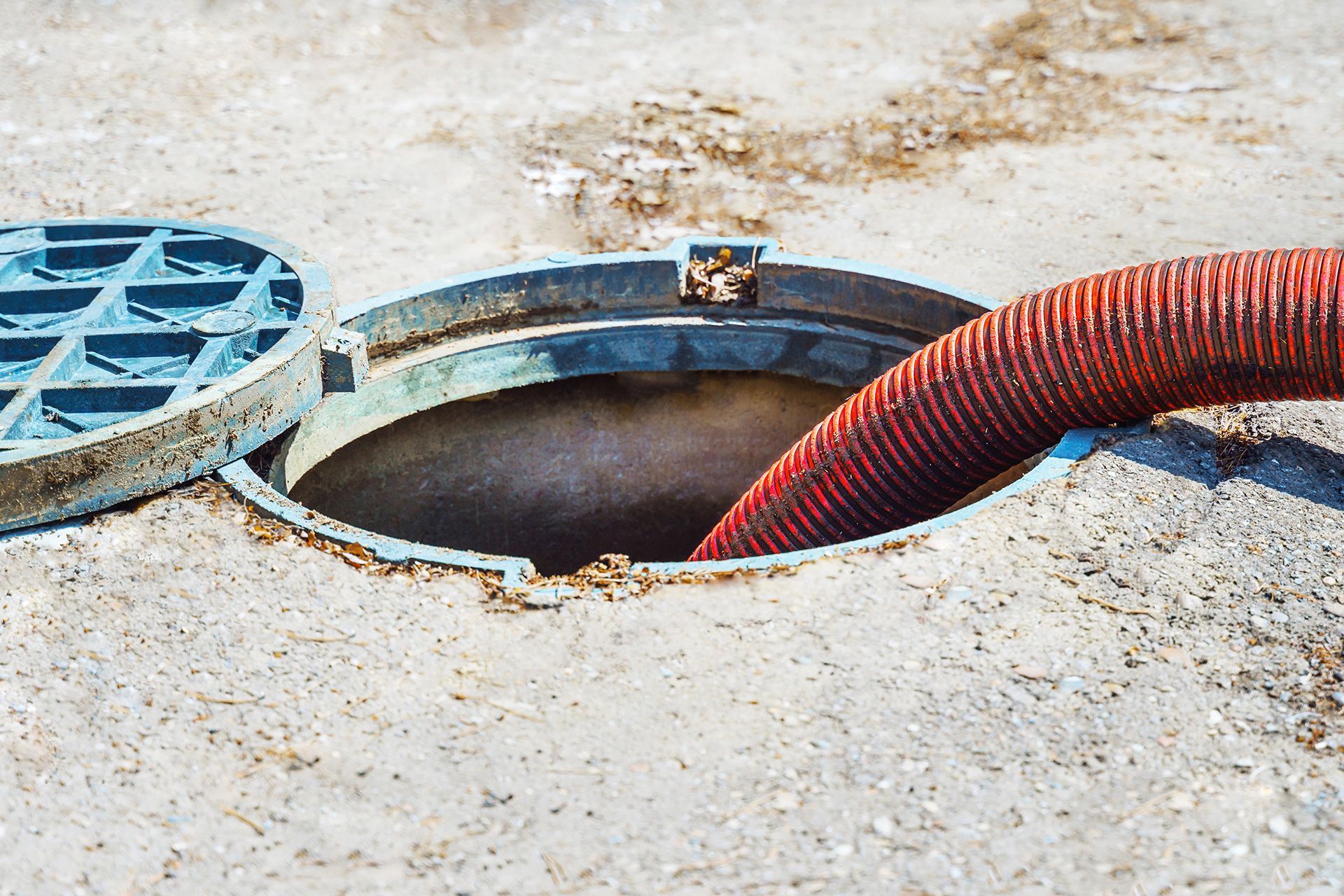
For larger buildings, specialty evaluations may be recommended if there are concerns with sewer lines, underground piping, or complex drainage systems.
6. Electrical System Observations
Electrical systems are important for both safety and building function. Inspectors usually review visible electrical components and note any concerns that may require the services of a licensed electrical contractor.
The report may mention service panels, breakers, visible wiring, disconnects, lighting, outlets, and signs of overheating or improper installation.
Because electrical systems can pose a serious risk, the report should clearly identify any visible safety concerns and recommend further evaluation when conditions fall outside the scope of the general inspection.
7. HVAC and Mechanical Systems
Heating, ventilation, and air conditioning systems support comfort, indoor air movement, and daily building use. Commercial HVAC equipment can also affect tenant satisfaction and business operations.
During a commercial building inspection, inspectors may review visible HVAC equipment, air handlers, rooftop units, ventilation components, ductwork, and maintenance conditions.
The report may not provide a full mechanical engineering analysis, but it should describe visible concerns, apparent condition, and items that may need service or further review.
8. Interior Areas and Finishes
Interior spaces often show signs of building performance problems. Inspectors review accessible rooms, hallways, ceilings, walls, floors, doors, and windows.
The report may note cracked surfaces, damaged flooring, ceiling stains, water marks, mold-like discoloration, poor repairs, or signs of deferred maintenance. These findings can help connect interior symptoms to larger issues, such as roof leaks, plumbing problems, drainage concerns, or ventilation issues.
Interior observations also help property managers plan repairs that may affect tenant use and building appearance.
9. Safety and Accessibility Concerns
A commercial inspection report may include visible safety concerns that could affect occupants, customers, workers, or visitors.
Common observations may involve damaged handrails, uneven walking surfaces, blocked exits, broken stairs, missing guards, poor lighting, or other visible hazards. Inspectors may also note accessibility related concerns when they are visible during the inspection.
The report is not the same as a full code compliance review, but it can help identify conditions that deserve attention from qualified professionals.
10. Photos and Clear Documentation
Photos are one of the most helpful parts of the report. Images help readers see what the inspector saw and understand where the issue is located.
Good photo documentation can support communication with contractors, sellers, landlords, tenants, lenders, or asset managers. It also creates a useful record for future comparison.
Clear reporting should connect photos to written explanations so readers are not left guessing why the image matters.
Conclusion
A commercial inspection report gives property stakeholders a clear record of visible building conditions.
At GV Commercial Building Inspections, we provide detailed commercial property inspection services that help buyers, tenants, investors, lenders, owners, and property managers understand the condition of commercial buildings. Our reports are designed to support informed decisions for purchases, leases, property management, and future planning.
Contact our team today to schedule your commercial inspection and receive clear reporting for your property.
FAQs
What is the main purpose of a commercial inspection report?
The main purpose is to document the visible condition of a commercial property. It helps buyers, owners, tenants, and managers understand current issues and plan next steps.
Does the report include repair costs?
Not usually. Most reports focus on inspection findings, visible conditions, and recommendations. Repair costs should be paid to qualified contractors after they review the specific issue.
Are photos included in most reports?
Yes. Photos are commonly included to show important findings, document areas of concern, and help readers understand the inspector’s observations.
Can a report help before signing a lease?
Yes. A report can help tenants understand the building's condition before taking responsibility for a space. It may also support lease discussions and maintenance planning.
Who should order commercial property inspection services?
Buyers, investors, lenders, tenants, property managers, asset managers, and owners can all benefit from an inspection report when evaluating or managing commercial property.
Disclaimer: The information on this website and blog is for general informational purposes only and is not professional advice. We make no guarantees of accuracy or completeness. We disclaim all liability for errors, omissions, or reliance on this content. Always consult a qualified professional for specific guidance.
Search
Recent Posts