Understanding Triple Net Leases: The Role of Commercial Inspections in Southern California
Triple net leases can be useful in commercial real estate, but they can also place major responsibility on tenants. In a typical triple net lease, the tenant may pay base rent plus property expenses such as taxes, insurance, and maintenance. Because these duties can affect future business costs, the building’s condition matters.
This is where a triple net lease inspection becomes valuable. It helps tenants, landlords, investors, and property managers understand the building's visible condition before maintenance and repair duties are accepted.
For business owners, a lease is not only about location and monthly payments. It is also about risk. Roof issues, old HVAC equipment, drainage problems, or maintenance concerns can affect operations.
What Is a Triple Net Lease?
A triple net lease, also called an NNN lease, is a commercial lease structure in which the tenant typically assumes more property-related expenses than in a standard lease. The exact terms depend on the written agreement, so tenants should review the lease with qualified professionals.
In many NNN leases, the tenant may be responsible for property taxes, building insurance, maintenance, and certain repairs. These duties may involve the roof, HVAC system, plumbing, exterior areas, parking surfaces, or shared building components.
A triple net lease inspection does not replace legal review. Instead, it gives the tenant a clearer view of the building’s physical condition before final review.
Why the Inspection Matters Before Signing
Many tenants focus on layout, visibility, parking, and customer access. Those features matter, but they do not reflect the building's full condition.
A property may look ready while systems are aging or poorly maintained. Roof leaks, old HVAC equipment, drainage issues, electrical concerns, or plumbing defects may not be obvious during a short tour.
A triple net lease inspection is important because an NNN lease may shift repair and maintenance responsibilities to the tenant. Without an inspection, a tenant may be held responsible for problems that existed before occupancy.
Building Areas That Need Careful Review
Commercial buildings vary by use, age, and design. A retail space, office, warehouse, restaurant, or industrial property may carry different risks. Still, certain systems deserve close attention before a lease is signed.
Commercial Building Inspectors may review:
- Roofing conditions. Roof problems can damage inventory, equipment, ceilings, and interior finishes. Inspectors may look for ponding water, damaged materials, flashing concerns, roof penetrations, and signs of past leaks.
- HVAC equipment. Heating and cooling systems affect comfort and daily operations. Inspectors may document the visible condition of equipment, service concerns, ventilation issues, or signs that further review may be needed.
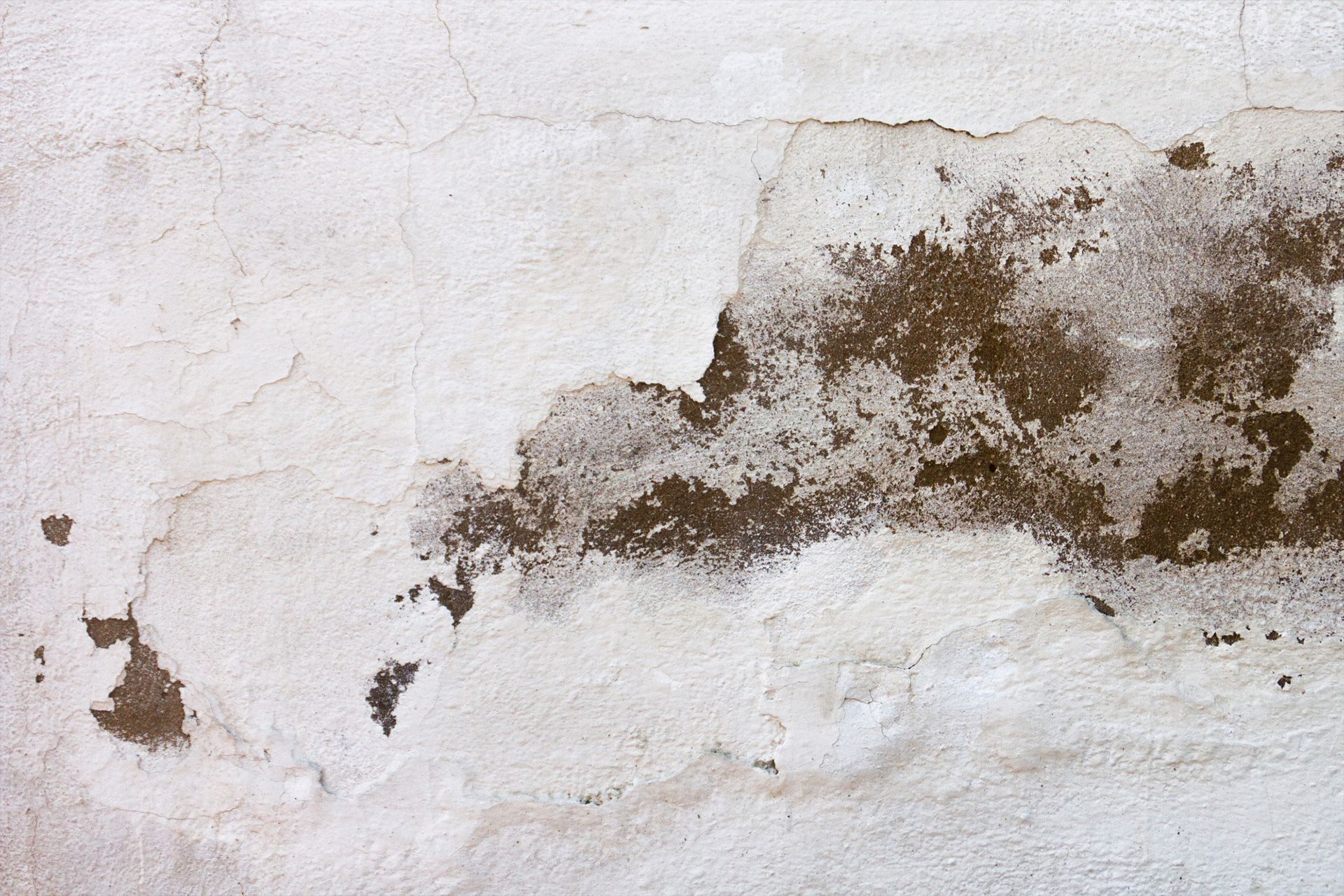
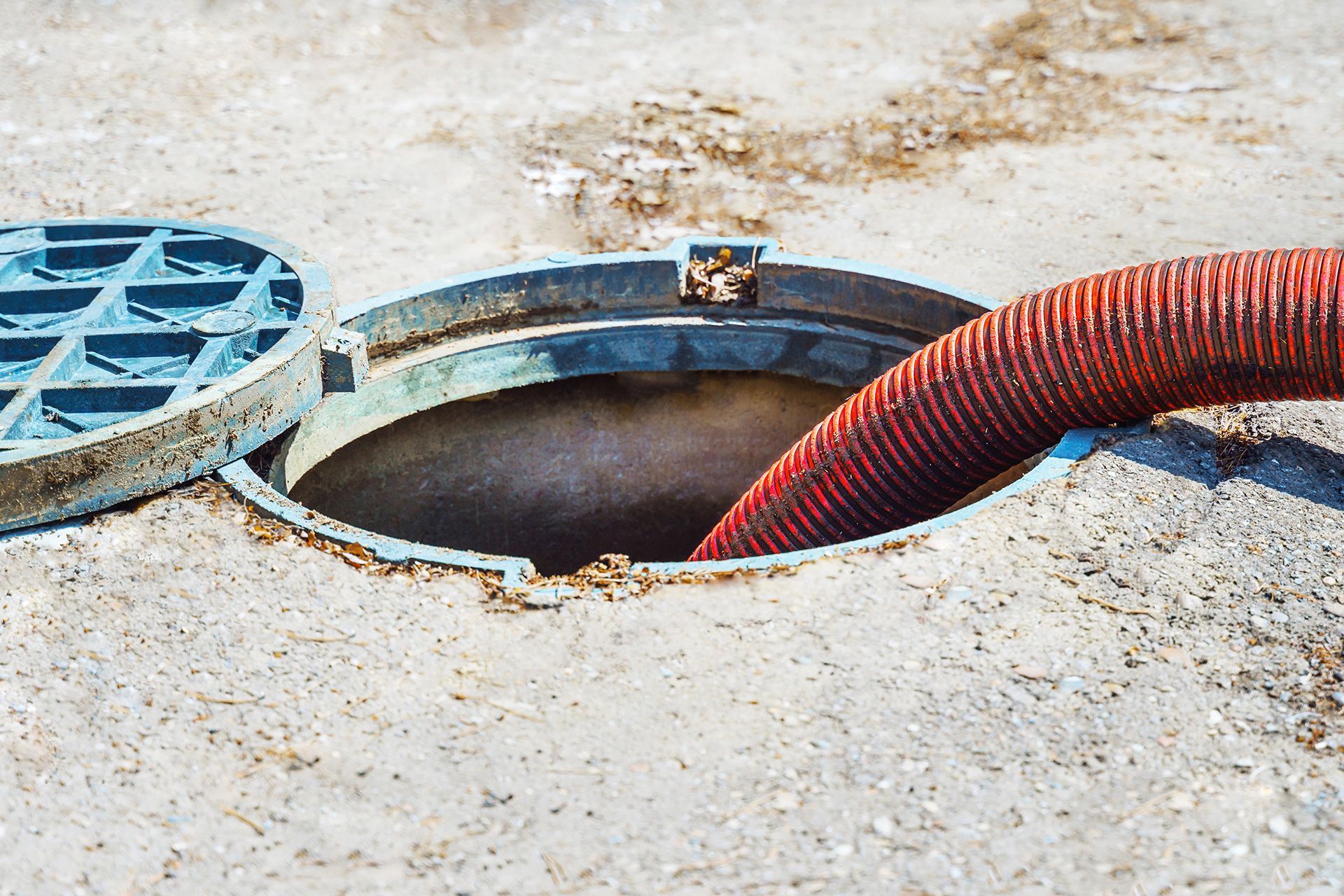
- Plumbing and drainage. Leaks, poor drainage, corrosion, or water stains can indicate underlying issues. This is important for restaurants, medical spaces, and other properties with heavy water use.
- Electrical systems. Inspectors may review panels, wiring conditions, disconnects, lighting, and visible safety concerns. If issues appear, a licensed electrical contractor may need to evaluate the system.
These observations help tenants understand whether the property fits their operational needs and lease responsibilities.
Why Local Conditions Matter
Commercial buildings in this region can face specific maintenance challenges. Sun exposure, coastal moisture, older building stock, and heavy property use can all affect how building systems age.
Roof materials may show wear from heat and sunlight. Coastal areas may create corrosion on certain exterior or mechanical components. Older properties may include repairs completed by different owners.
This is why commercial inspections should consider both the property type and local conditions. A careful review connects visible building concerns with practical maintenance needs.
What the Inspection Can Clarify
A triple-net lease inspection provides stakeholders with more than just a list of defects. It can help clarify responsibility, planning needs, and possible risks before a long lease begins.
The report may help answer key questions. Are major systems maintained? Could any condition disrupt operations? Is further evaluation needed before signing?
These answers support better conversations between tenants, landlords, brokers, attorneys, and property managers. The inspection does not determine the lease terms, but it provides everyone with better information.
How Inspection Findings Support Lease Discussions
Inspection findings can help tenants ask informed questions before signing. They may also help both parties clarify duties in writing.
If the roof shows visible aging, the tenant may want to know who handles repairs. If HVAC equipment appears to be poorly maintained, the tenant may request service records. If drainage problems are present, the tenant may ask who is responsible.
A triple net lease inspection can also produce helpful documentation. Photos, written findings, and system observations provide a record of the building’s condition before the lease starts. This can reduce confusion later.
Who Should Consider an Inspection?
This inspection can be useful in many commercial real estate situations. Tenants may take on building responsibilities. Landlords can set clearer expectations. Investors and asset managers can better understand property condition before lease terms affect planning.
An NNN inspection is especially useful for stand-alone retail spaces, shopping centers, restaurants, warehouses, office buildings, and industrial properties. Each property type has different needs, but all can carry maintenance risk under an NNN lease.
What to Expect in the Report
The report should be easy to read and organized by building system or property area. It should explain visible conditions, include photos when helpful, and identify items needing further review.
A useful commercial inspection report may include observations about the roof, structure, exterior areas, interiors, plumbing, electrical systems, HVAC equipment, drainage, and safety concerns. It may also recommend specialist review when needed.
Commercial inspections in Southern California should provide clear documentation that helps stakeholders make informed decisions without confusing language.
Common Mistakes Tenants Should Avoid
Tenants may rush to secure a strong location. However, skipping due diligence can create problems.
Avoid these mistakes:
- Relying only on a walkthrough. A tour is helpful, but it is not the same as a professional inspection.
- Assuming the landlord handles all repairs. In NNN leases, responsibilities may shift to the tenant depending on the lease language.
- Ignoring maintenance records. Service history can provide context about HVAC systems, roofs, plumbing, and past repairs.
- Waiting until after signing. Once the lease is signed, options may be more limited.
A careful inspection before signing can help reduce surprises and support better planning.
Conclusion
Triple net leases can offer an opportunity, but they also require careful review. Since tenants may be responsible for taxes, insurance, maintenance, and repairs, understanding the property’s condition is essential.
A triple net lease inspection helps identify visible concerns, document current conditions, and support smarter lease discussions. For many properties, commercial inspections in Southern California are an important part of protecting business operations and long-term planning.
At GV Commercial Building Inspections, we provide commercial inspection services for tenants, buyers, investors, lenders, asset managers, and property managers. Our team helps clients understand the building's condition before leasing, purchasing, refinancing, managing, or selling a commercial property.
Contact our team today to schedule your commercial inspection.
FAQs
What is a triple net lease?
A triple net lease is a commercial lease in which the tenant pays base rent plus property taxes, insurance, and maintenance expenses. The exact responsibility depends on the lease terms.
Why should tenants get an inspection before signing an NNN lease?
An inspection helps tenants understand visible building conditions before they accept possible maintenance or repair duties under the lease.
What does an NNN lease inspection include?
It may include a visible review of roofing, HVAC, plumbing, electrical systems, structure, drainage, exterior areas, interiors, and safety concerns.
Can inspection findings help with lease discussions?
Yes. Findings can help tenants ask better questions, request records, clarify responsibilities, and discuss repairs before signing.
Who benefits from a commercial lease inspection?
Tenants, landlords, investors, lenders, asset managers, and property managers can all benefit when evaluating property condition before major lease decisions.
Disclaimer: The information on this website and blog is for general informational purposes only and is not professional advice. We make no guarantees of accuracy or completeness. We disclaim all liability for errors, omissions, or reliance on this content. Always consult a qualified professional for specific guidance.
Search
Recent Posts