Triple Net (NNN) Lease Inspections: Protecting Commercial Tenants From Deferred Maintenance
A commercial space can look ready for business while carrying years of delayed repairs. An older roof may still be holding, HVAC equipment may still run, and plumbing may appear functional during a short tour. Once a tenant signs a lease, some maintenance responsibilities may shift to the tenant depending on the agreement.
That is why Triple Net (NNN) Lease Inspections can be valuable before a tenant commits to a property. The inspection provides the tenant with a clearer picture of the building's visible condition, helps identify deferred maintenance, and creates documentation for lease discussions and future planning.
A Triple Net lease often requires a tenant to pay base rent plus a combination of property taxes, building insurance, maintenance, repairs, and/or operating expenses. The exact responsibilities depend on the lease, so tenants should understand both the contract and the property's condition before accepting those obligations.
Deferred Maintenance Can Become the Tenant’s Problem
Deferred maintenance means repairs or routine upkeep have been postponed. A roof drain may remain partially blocked, an HVAC unit may continue operating with worn components, or cracked pavement may slowly worsen.
Timing matters. If a problem existed before occupancy but becomes serious later, the tenant may be held responsible if the contract assigns that responsibility to them.
An inspection cannot decide legal responsibility, but it can document visible conditions before possession. That record can be useful when older equipment or previous damage later becomes part of a maintenance discussion.
What Deferred Maintenance May Look Like
Deferred maintenance is not always obvious. Some warning signs become clearer when the building is reviewed system by system.
Common examples include:
- Roof and drainage concerns. Ponding water, damaged flashing, deteriorated sealants, or repeated ceiling stains may show delayed roof maintenance. Water entry can also affect interior finishes and operations.
- Aging mechanical equipment. HVAC units may operate while showing corrosion, damaged insulation, unusual noise, or poor maintenance history. These conditions can point to neglected service or near-term attention.
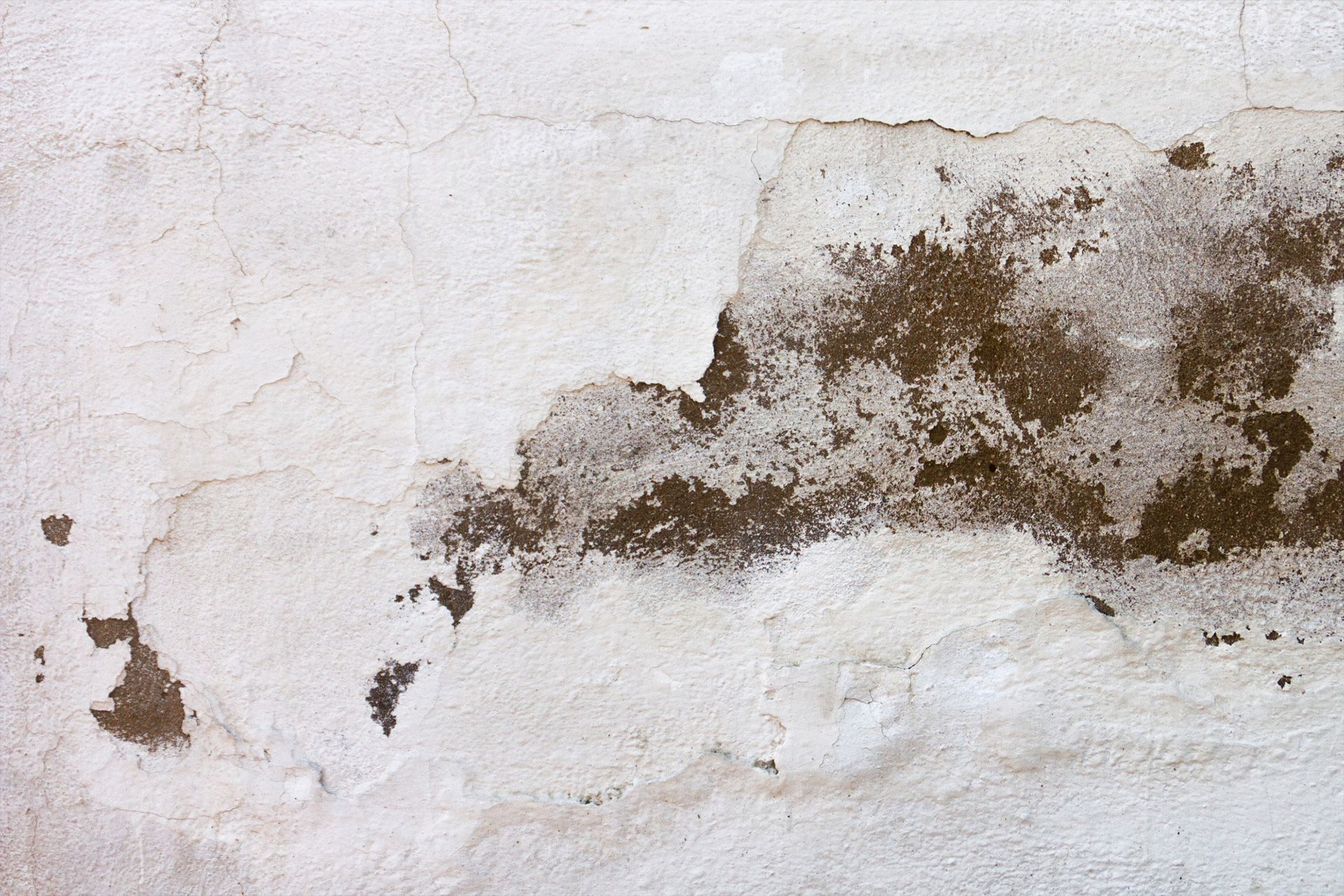
- Plumbing and moisture problems. Slow drains, active leaks, corrosion, damaged fixtures, and water staining can point to maintenance needs. Repeated problems may justify further evaluation.
- Exterior and site wear. Cracked pavement, poor drainage, loose railings, damaged doors, and uneven walkways may reflect years of postponed repairs.
These conditions do not automatically make a property unsuitable. They give the tenant useful information before obligations begin.
Why the Lease and Inspection Should Be Reviewed Together
A building inspection is most useful when the tenant also understands the lease terms. The inspector evaluates physical conditions. The lease explains who may be responsible for maintaining or repairing them.
One Triple Net lease may place HVAC maintenance on the tenant while keeping structural roof replacement with the landlord. Another may assign a broader range of expenses. Parking lots, common areas, exterior walls, and plumbing lines may also be handled differently.
Tenants should not assume the phrase “NNN” explains everything. The contract controls the responsibilities. A commercial real estate attorney or other qualified advisor can help interpret those terms.
The inspection report provides the tenant with physical information to compare against the agreement.
Major Building Areas Worth Reviewing Before Signing
A Triple Net Inspection should focus on systems and areas that could affect property use and future maintenance responsibilities. The scope should be agreed upon before the inspection.
Important areas commonly include:
- Roofing and drainage. Inspectors may document visible roof wear, flashing issues, drainage conditions, prior repairs, and signs of leaks. Access and roof type can limit the scope of the review.
- HVAC systems. Accessible equipment may be checked for visible damage, corrosion, condensate concerns, unusual operation, and maintenance indicators. Service records can add context.
- Electrical and plumbing systems. Visible panels, wiring conditions, fixtures, piping, drains, and leakage may be reviewed. Significant concerns may require a licensed electrician or plumber.
- Structure, interior, and exterior. Cracks, water stains, damaged finishes, settlement indicators, doors, windows, parking areas, and walkways can show where maintenance may be needed.
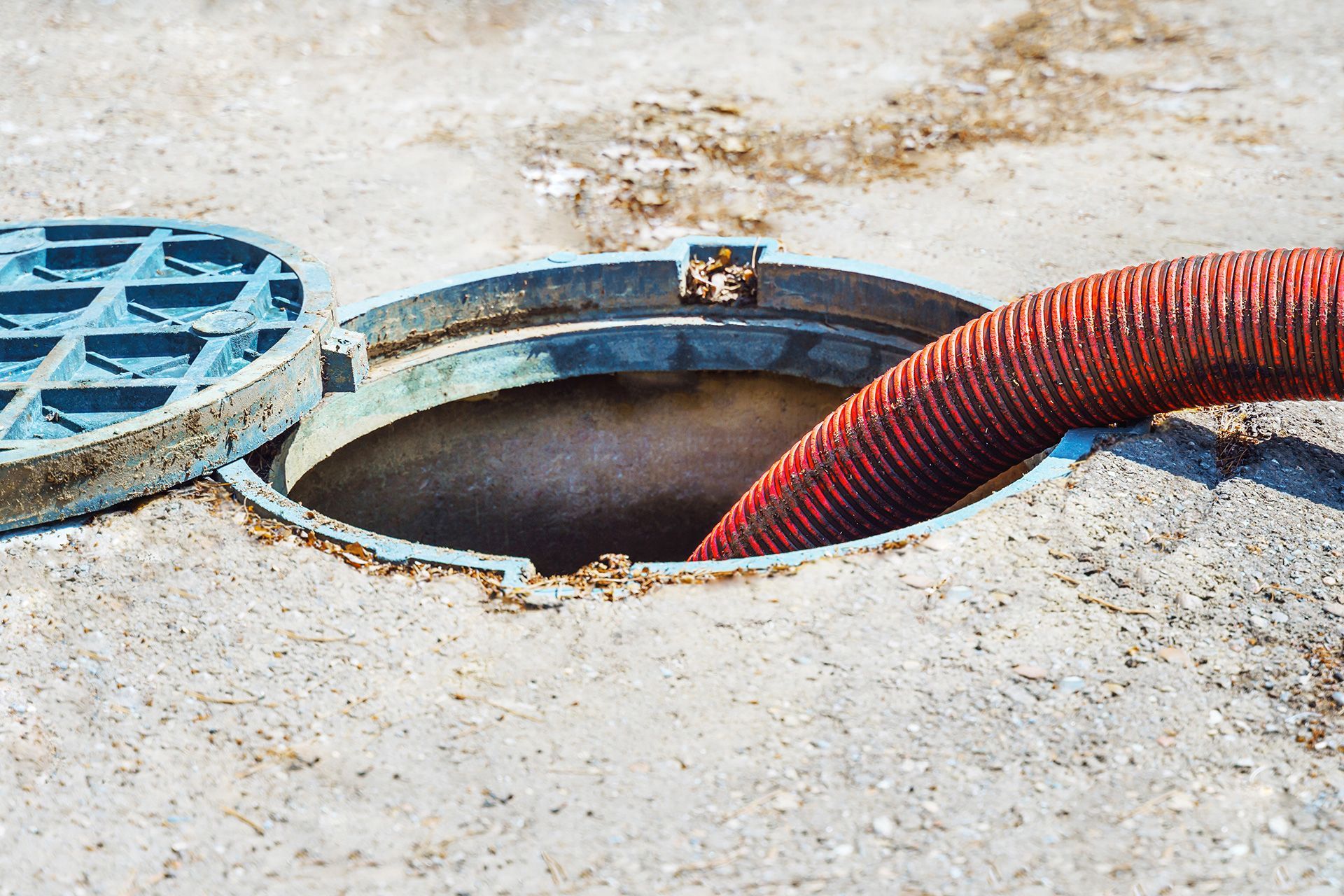
A general commercial inspection does not replace engineering studies, code evaluations, environmental reviews, sewer camera inspections, or specialized testing unless those services are included.
The Inspection Report Creates a Baseline
One of the most useful outcomes of the inspection is a record of the property's condition before occupancy.
If a roof stain was already present, an HVAC unit was already corroded, or pavement was deteriorated, the report provides dated documentation of the observed condition. Photos can make that record clearer.
It does not override the lease, but it provides both parties with better information about the starting condition.
The report can also support maintenance planning by separating urgent concerns from items that can be monitored.
How Findings Can Improve Lease Discussions
Inspection findings are most valuable before the lease is final. At that stage, the tenant still has time to ask questions and clarify how existing conditions will be handled.
Depending on the agreement, findings may lead the parties to discuss repairs before occupancy, responsibility for aging equipment, maintenance expectations, or documentation of existing damage.
If several rooftop units show significant wear, the tenant may want to clarify who is responsible for major repairs or replacement. If drainage problems have damaged pavement, the condition can be documented before the tenant accepts site maintenance duties.
The inspection does not dictate the negotiation. It gives the parties facts to discuss instead of assumptions.
Questions Tenants Should Ask Before Committing
Before signing, tenants should combine the physical inspection with a review of records and the lease.
Useful questions include:
- Who maintains each major system? Identify responsibility for the roof, HVAC, plumbing, electrical equipment, structure, parking areas, landscaping, and common spaces.
- What maintenance records are available? Ask for HVAC service history, roof repairs, plumbing work, previous inspection reports, and information on major replacements.
- Are existing defects documented? Leaks, recurring backups, damaged finishes, or equipment problems should be discussed so the condition at occupancy is clear.
- Who handles major replacements? Review how the agreement addresses repair, replacement, and capital items when an important system reaches the end of its useful life.
These questions connect the inspection findings with financial and operational responsibilities.
Inspections Can Also Help Before Renewal
Existing tenants can benefit from an inspection before renewing a long-term agreement. Several years of occupancy can change the condition of roofing, HVAC equipment, pavement, plumbing, and other components.
A renewal creates an opportunity to document current conditions and identify what may need attention during the next term.
Before renewing a Triple Net lease, tenants can use the report to discuss maintenance history and future responsibilities instead of relying on assumptions.
Make the Inspection Part of Lease Due Diligence
The purpose of an inspection is to replace uncertainty with documented information.
A tenant who understands the roof, HVAC equipment, plumbing, electrical systems, site drainage, and visible maintenance history can make a more informed leasing decision and create a more realistic maintenance plan.
Before entering a Triple Net lease, review the contract with appropriate legal and real estate professionals, gather available maintenance records, and inspect the physical property. These steps work together.
For tenants in Southern California, this approach can be useful across many commercial property types where responsibilities vary by agreement.
Conclusion
Deferred maintenance matters because the problem may have begun before the tenant arrived, while responsibility for repairs may arise after the lease begins. A professional inspection helps establish what was visible at the start, highlights areas needing further review, and gives tenants useful information for maintenance planning and lease discussions.
GV Commercial Building Inspections helps commercial tenants, business owners, investors, landlords, and property managers understand a building's condition before making major lease decisions. Our team evaluates visible and accessible property systems and provides clear reporting that supports pre-lease due diligence throughout Southern California.
Contact us to schedule a pre-lease commercial inspection before signing or renewing your next lease.
FAQs
Does an NNN lease always make the tenant responsible for every repair?
No. Responsibility depends on the contract. Some agreements assign broad maintenance duties to the tenant, while others keep certain structural or capital responsibilities with the landlord. Review the agreement carefully with a qualified advisor.
When should a tenant schedule the inspection?
The inspection is most useful before the lease is signed or before a renewal becomes final. This gives the tenant time to review findings, request records, arrange specialist evaluations, and discuss responsibilities.
Can the inspector determine who must pay for a repair?
No. The inspector documents physical conditions. Responsibility for repair costs is determined by the lease and applicable legal requirements, which should be reviewed with the appropriate professionals.
What records should tenants request from the landlord?
Useful records may include roof repairs, HVAC service history, plumbing work, electrical upgrades, prior inspection reports, and documentation of major equipment replacements.
What if an aging system still works?
An operating system can still show wear or deferred maintenance. The report can document the condition so that the tenant can request service records, seek specialist input, and understand how future maintenance responsibilities are addressed in the lease.
Disclaimer: The information on this website and blog is for general informational purposes only and is not professional advice. We make no guarantees of accuracy or completeness. We disclaim all liability for errors, omissions, or reliance on this content. Always consult a qualified professional for specific guidance.
Search
Recent Posts