Preparing For A Commercial Building Inspection: What Inspectors Look For?
Buying or managing a commercial property involves major financial responsibility. Whether the building is an office space, retail center, warehouse, apartment complex, or industrial facility, understanding the property's condition is important before making decisions.
A professional commercial building inspection helps identify visible problems, safety concerns, maintenance issues, and hidden defects that may affect the building’s value or performance. Inspections also help buyers and property owners prepare for future repairs and maintenance needs.
Knowing what inspectors look for can help property owners prepare in advance and better understand the inspection process. A detailed evaluation gives investors and managers more confidence when purchasing, leasing, or maintaining commercial real estate.
Why Commercial Inspections Matter
Commercial buildings contain many systems that work together every day. Problems involving roofing, plumbing, electrical systems, drainage, or structural issues can lead to expensive repairs if left unnoticed.
A professional inspection helps property owners:
- Identify hidden building issues
- Reduce unexpected repair risks
- Improve maintenance planning
- Protect long-term property value
- Support informed investment decisions
Many commercial property issues develop slowly over time. Inspections help uncover concerns before they become larger and more disruptive.
What Inspectors Look For During a Commercial Building Inspection
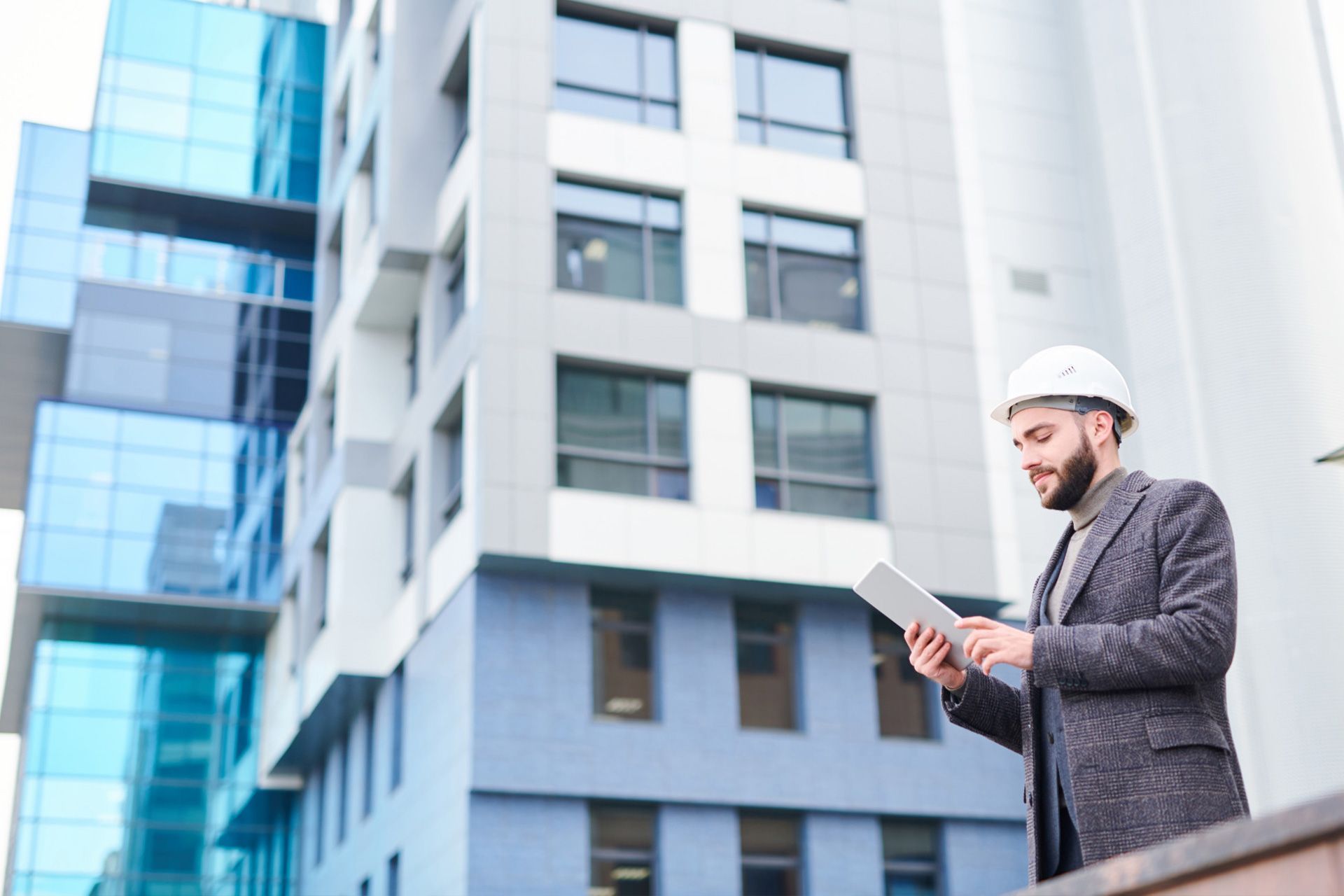
A commercial building inspection includes a visual review of accessible building systems and structural components. Inspectors evaluate the property's condition and document visible concerns that may affect safety, operation, or maintenance.
Most inspections follow a detailed commercial inspection checklist to ensure important systems are reviewed carefully.
Roof Conditions
Roof systems are one of the first areas inspectors evaluate because roof damage can affect many parts of the building.
Inspectors commonly look for:
- Standing water
- Damaged roofing materials
- Drainage problems
- Flashing damage
- Water stains
- Signs of roof leaks
- Previous repair areas
Roof problems can eventually lead to moisture intrusion, mold growth, and interior damage if not addressed early.
Structural Components
Structural evaluations help inspectors identify signs of movement or deterioration within the building.
Common structural areas reviewed include:
- Foundations
- Support beams
- Exterior walls
- Cracks in walls or floors
- Uneven settlement
- Framing conditions
Structural concerns may affect both safety and long-term property stability.
HVAC Systems
Heating and cooling systems are important for occupant comfort and daily operations. During a commercial property inspection, inspectors evaluate visible HVAC components for signs of wear or poor performance.
Inspectors may check:
- Equipment condition
- Ventilation performance
- Airflow concerns
- Visible leaks
- Maintenance conditions
- System age
Commercial HVAC systems can be costly to repair or replace, which makes inspection findings especially important for buyers and managers.
Plumbing Systems
Plumbing issues are another common concern found during inspections. Water leaks and drainage problems can cause damage throughout the property if not discovered early.
Inspectors often look for:
- Pipe leaks
- Corrosion
- Water stains
- Drainage issues
- Moisture damage
- Visible plumbing defects
Water-related problems can spread quickly and affect walls, flooring, ceilings, and structural materials.
Electrical Systems
Electrical systems are reviewed to identify visible safety concerns or operational issues.
Inspectors may evaluate:
- Electrical panels
- Wiring conditions
- Exposed wiring
- Signs of overheating
- Safety hazards
- Improper installations
Electrical deficiencies can increase fire risks and create safety concerns for occupants.
Exterior Property Conditions
Exterior conditions can affect the overall performance and safety of a commercial property. Inspectors evaluate outdoor areas for signs of deterioration or drainage problems.
Parking Areas and Walkways
Parking lots and walkways are commonly reviewed for:
- Surface cracking
- Uneven pavement
- Drainage concerns
- Trip hazards
- Surface deterioration
Damaged exterior surfaces may increase liability risks for property owners.
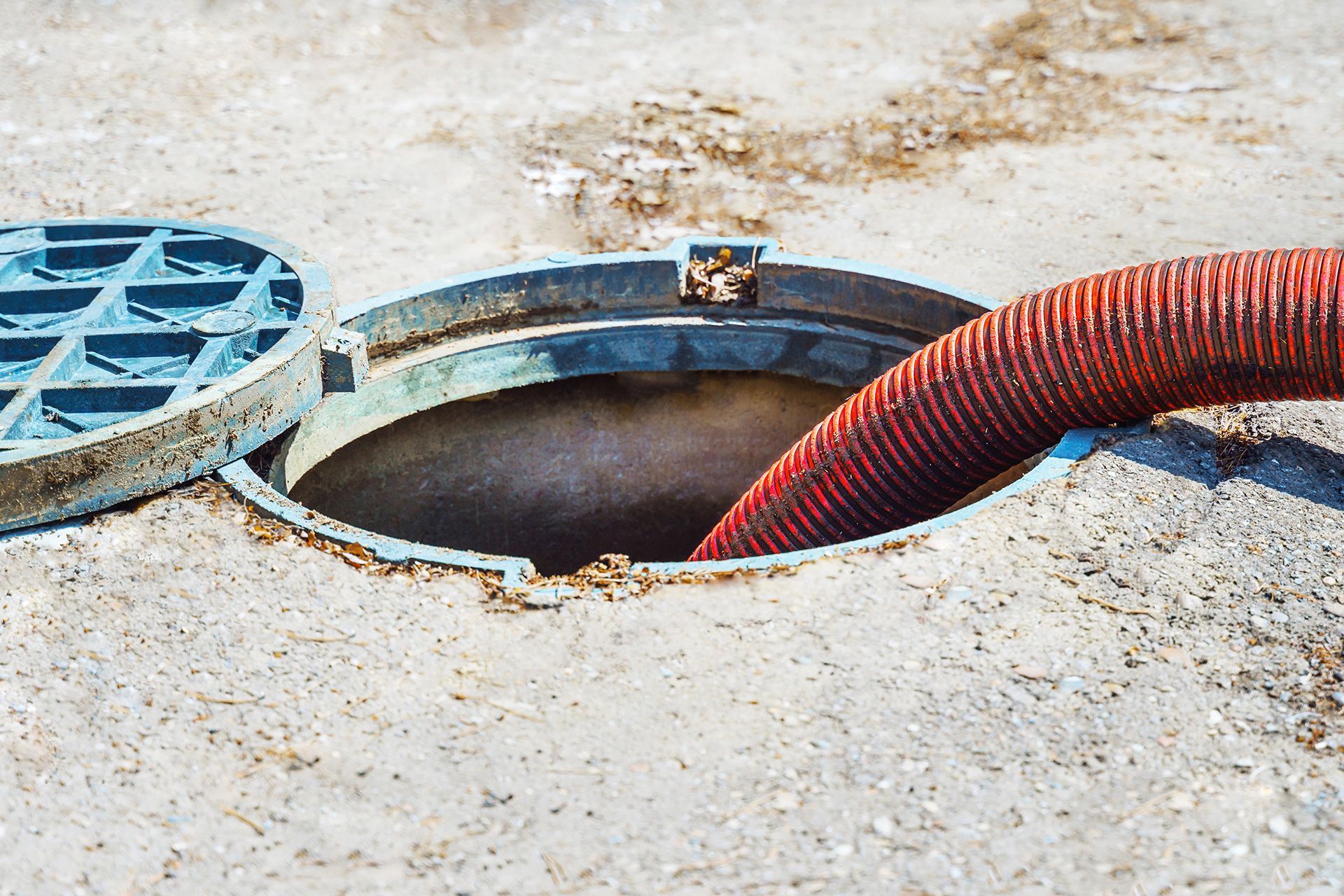
Drainage and Water Management
Proper drainage helps protect buildings from long-term moisture damage.
Inspectors often check for:
- Standing water
- Improper grading
- Drain blockages
- Soil erosion
- Water pooling near foundations
Poor drainage can eventually damage foundations, pavement, and landscaping.
Evaluating Interior Building Conditions
Interior evaluations help inspectors identify visible signs of damage, deferred maintenance, or moisture concerns.
Walls, Ceilings, and Flooring
Inspectors often check for:
- Water stains
- Cracks
- Mold signs
- Damaged materials
- Uneven flooring
- Ceiling damage
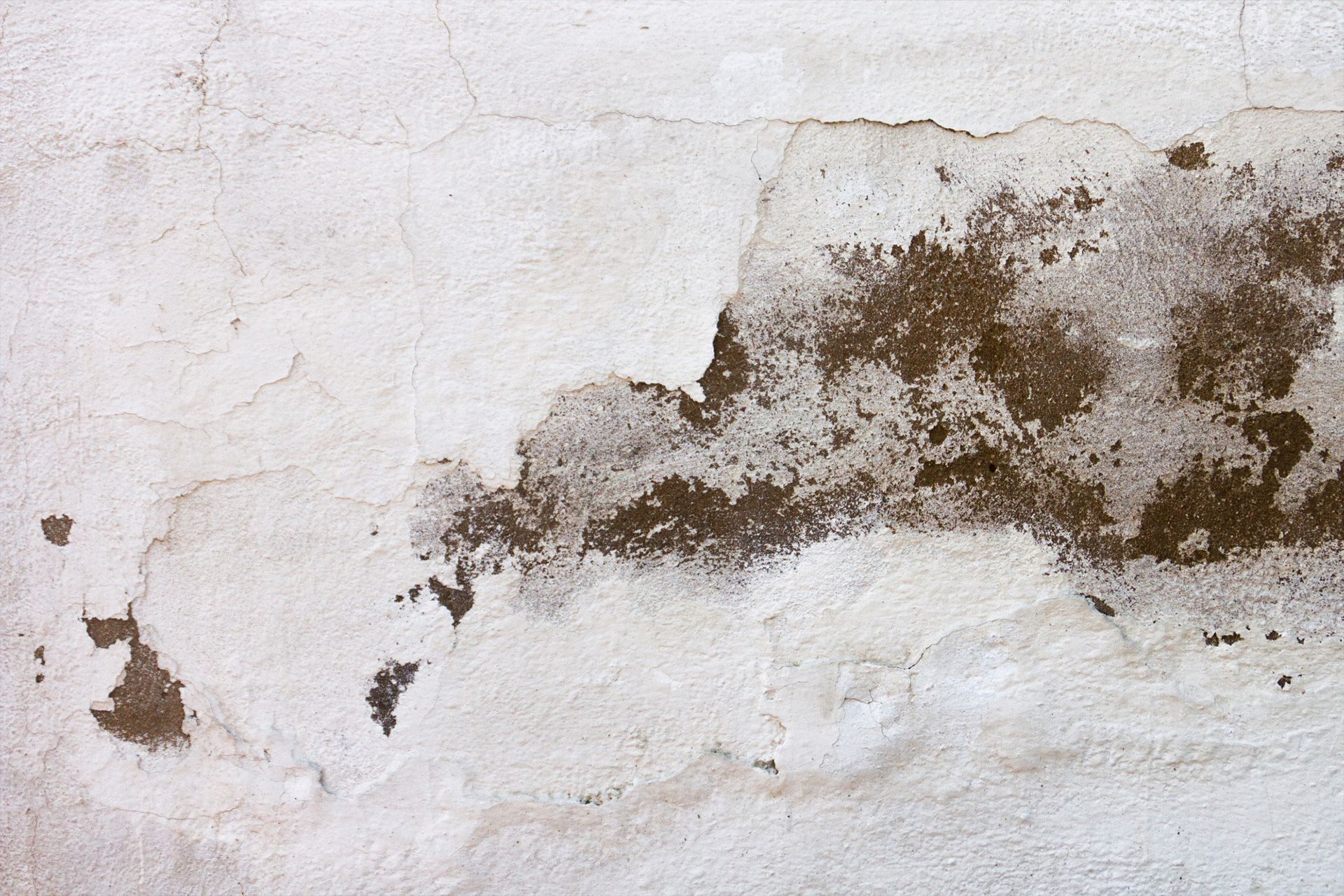
Interior damage may indicate hidden moisture or structural problems elsewhere in the building. In some cases, ongoing moisture issues can contribute to mold in commercial buildings, making early detection an important part of the inspection process.
Doors and Windows
Doors and windows are also reviewed during many commercial building inspection evaluations.
Inspectors may look for:
- Proper operation
- Damaged seals
- Water intrusion signs
- Broken components
- Safety concerns
Damaged windows or doors can impact energy efficiency and indoor moisture control.
How to Prepare for the Inspection
Preparing the property before inspection day can help the process move more smoothly and efficiently.
Provide Clear Access
Inspectors should be able to access:
- Electrical rooms
- Mechanical areas
- Roof access points
- Utility spaces
- HVAC equipment
- Storage rooms
Blocked or locked areas may limit the inspection process.
Gather Important Records
Helpful documents may include:
- Maintenance records
- Repair history
- Roof documentation
- HVAC service reports
- Previous inspection records
These documents can provide additional insight into the building's condition and history.
Address Obvious Safety Hazards
Visible safety concerns, such as standing water, exposed wiring, or blocked exits, should be addressed before the inspection when possible.
This helps improve safety during the evaluation process.
Why a Commercial Inspection Checklist Matters
A professional commercial inspection checklist helps inspectors evaluate major systems consistently and in an organized way.
Using a structured checklist helps:
- Improve inspection accuracy
- Reduce overlooked issues
- Organize findings clearly
- Support detailed reporting
Comprehensive evaluations help property owners better understand the building's condition before making important financial decisions.
Benefits of Commercial Property Inspections
A commercial property inspection provides valuable information that supports smarter property management and investment planning. Here are the benefits:
- Early problem detection
- Better maintenance planning
- Reduced surprise repair costs
- Improved safety awareness
- Greater confidence during transactions
- Better understanding of building conditions
Inspections help property owners prepare for future maintenance needs before major failures occur.
Choosing Experienced Commercial Inspectors
Commercial buildings often contain complex systems that require experienced evaluation. Choosing qualified inspectors helps ensure the property receives a thorough review.
Professional inspectors provide:
- Detailed observations
- Organized reporting
- Clear documentation
- Practical recommendations
Accurate information helps buyers, owners, and managers make more informed decisions about repairs, maintenance, and investments.
Conclusion
Preparing for a commercial building inspection helps property owners and buyers better understand what inspectors evaluate and why inspections matter. A detailed inspection can uncover hidden concerns involving roofing, structure, plumbing, electrical systems, HVAC equipment, and drainage before they become larger financial problems.
At GV Commercial Building Inspections, we help commercial property owners, investors, and managers better understand the condition of their buildings through professional inspections and detailed reporting. Our team follows a thorough commercial inspection checklist to identify visible concerns that may affect a property's safety, functionality, and long-term value.
If you are preparing to buy, lease, or manage a commercial property, contact us today to schedule a professional inspection.
FAQs
What is included in a commercial building inspection?
A commercial building inspection typically includes evaluations of roofing, structure, plumbing, HVAC systems, electrical systems, drainage, and visible interior and exterior conditions.
Why is a commercial property inspection important?
A commercial property inspection helps identify hidden problems, safety concerns, and maintenance issues before they become more expensive repairs.
What does a commercial inspection checklist include?
A commercial inspection checklist may include roofing, plumbing, HVAC systems, electrical systems, structure, drainage, parking areas, and visible safety concerns.
How should I prepare for a commercial inspection?
Property owners should provide clear access to building systems, gather maintenance records, and address visible safety concerns before the inspection.
Can inspections help protect the value of commercial property?
Yes. Inspections help identify building issues early, improve maintenance planning, and reduce the risk of unexpected repair costs.
Disclaimer: The information on this website and blog is for general informational purposes only and is not professional advice. We make no guarantees of accuracy or completeness. We disclaim all liability for errors, omissions, or reliance on this content. Always consult a qualified professional for specific guidance.
Search
Recent Posts