Commercial Building Maintenance Checklist: Everything You Need to Know
Commercial buildings need consistent care to remain safe, functional, and ready for daily business. A building may look fine from the outside, but small issues can develop in the roof, plumbing, electrical system, HVAC equipment, parking areas, and interior spaces.
A clear checklist helps owners and managers know what to review, what to document, and when to call qualified professionals. For many owners, commercial building maintenance services support routine care, early issue detection, and better long-term planning.
This guide explains what a strong checklist should include and how commercial property maintenance and safety inspections protect building value and function.
Why a Maintenance Checklist Matters
Commercial buildings have many systems that work together. If one system fails, it can affect other areas of the property. Poor roof drainage can cause ceiling stains and damaged finishes. A clogged drain can lead to water damage. Poor lighting can create safety concerns.
A checklist gives property teams a simple structure to follow. Instead of reacting only when something breaks, owners can review key areas on a planned basis. Notes, photos, and service history also help managers track conditions over time.
Start With the Building Exterior
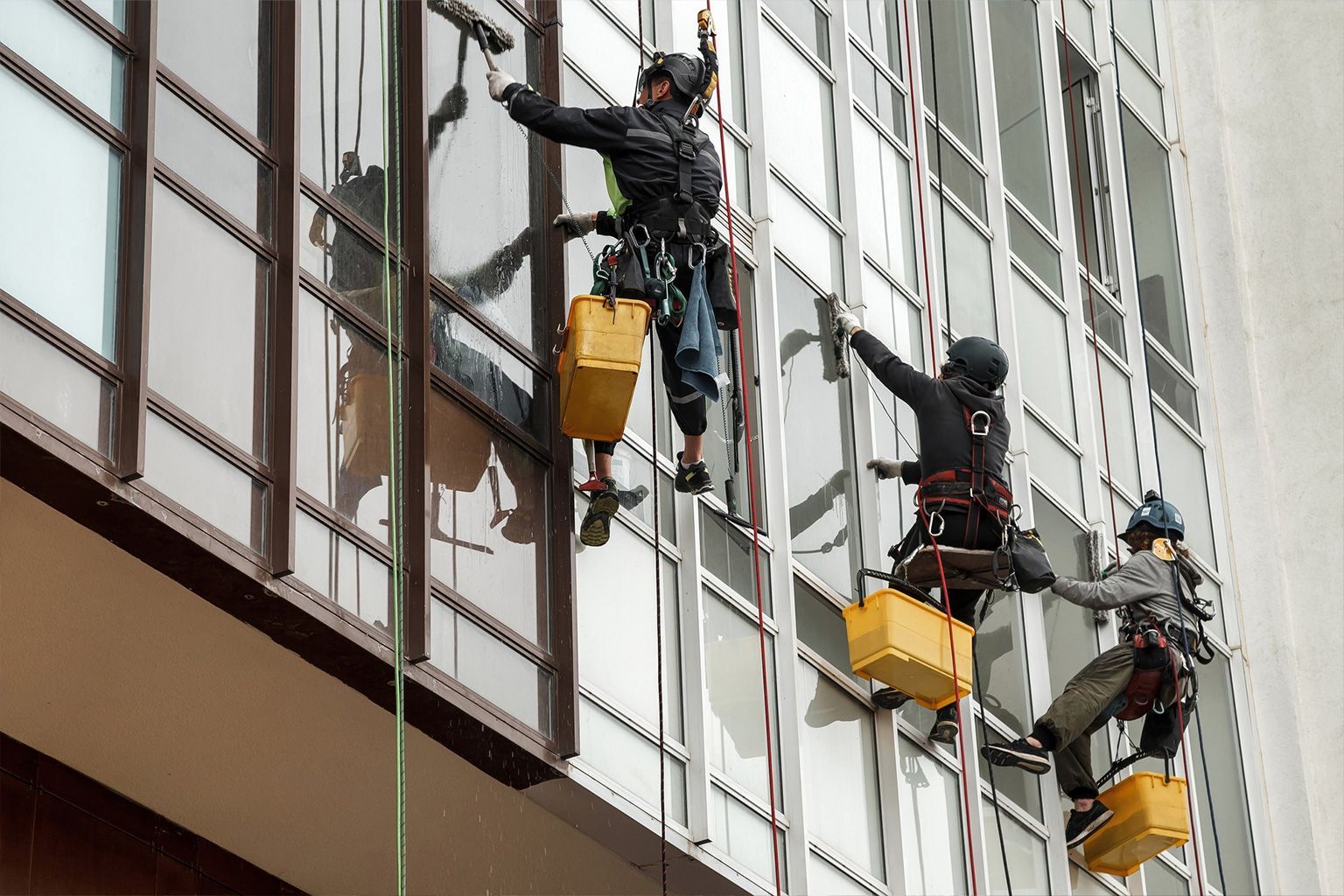
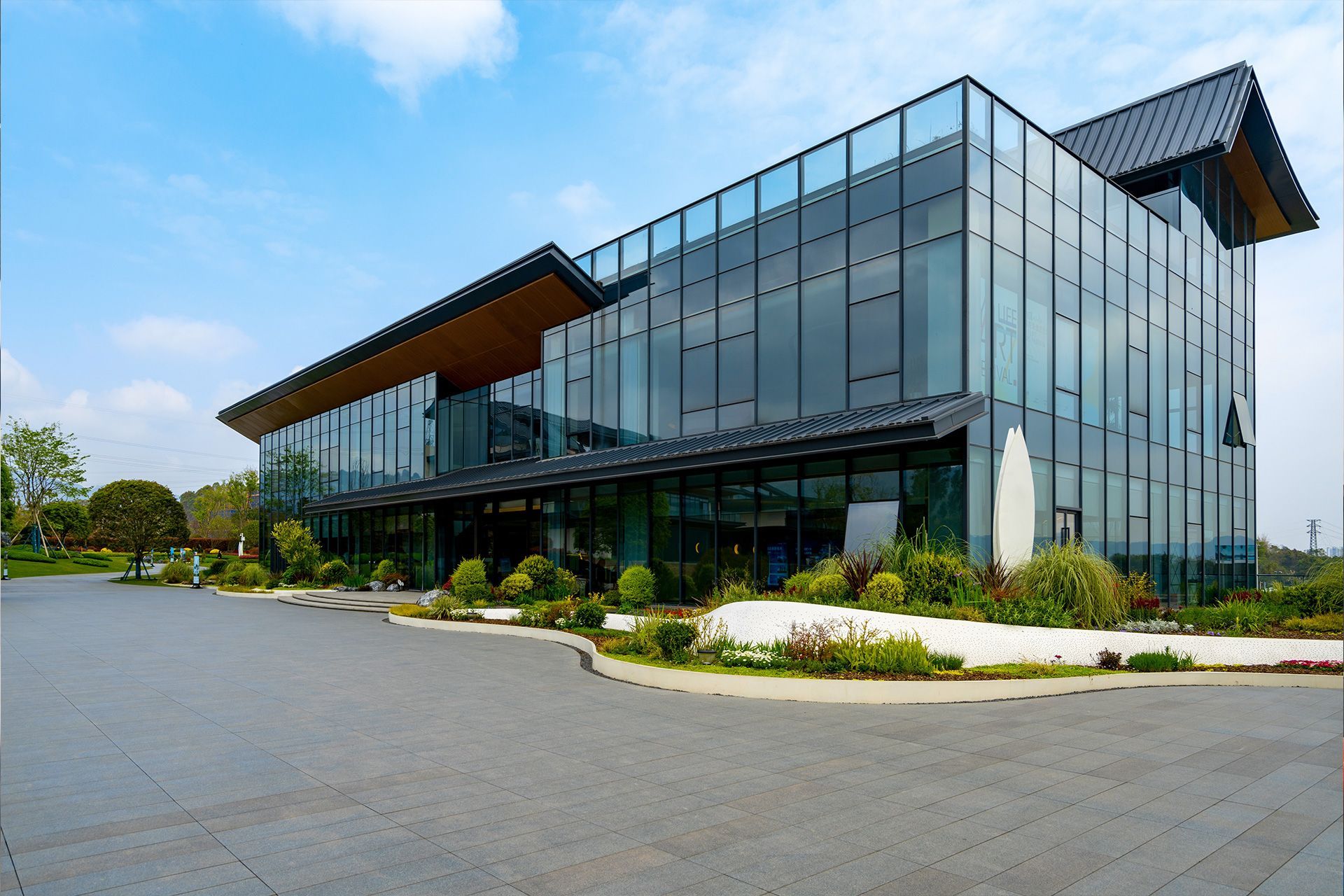
The exterior is the first layer of protection for a commercial property. It faces sun, rain, wind, foot traffic, vehicle traffic, and daily wear.
Your exterior checklist should include:
- Roof and drainage areas: Look for standing water, clogged drains, damaged flashing, worn materials, and signs of past leaks. Address roof concerns early because water can spread into ceilings, walls, and interior finishes.
- Parking lots and walkways: Review cracks, potholes, uneven surfaces, faded markings, poor lighting, and drainage issues. These areas matter because tenants, customers, employees, and vendors use them every day.
- Walls, windows, and doors: Check for cracks, damaged seals, loose hardware, moisture stains, and gaps around openings. These items can affect comfort, water resistance, and energy performance.
Review Interior Spaces Regularly
Interior areas affect daily use and tenant satisfaction.
Property teams should review lobbies, hallways, restrooms, tenant areas, storage rooms, stairs, and common spaces. Look for damaged flooring, ceiling stains, cracked walls, loose handrails, worn doors, broken locks, poor lighting, and signs of pests or moisture.
Interior checks should also include restrooms and break areas. Leaks, poor ventilation, odors, damaged fixtures, and slow drains can indicate larger plumbing or maintenance issues.
Commercial property maintenance works best when interior concerns are documented early. This allows owners and managers to plan repairs before the issue affects more people or spreads to nearby areas.
Keep HVAC Systems on the Checklist
Heating, ventilation, and air conditioning systems are important for comfort, air movement, and building performance. If HVAC equipment is ignored, tenants may experience uneven temperatures or service interruptions.
A practical HVAC checklist may include filter changes, visible equipment checks, thermostat review, airflow concerns, unusual noise, moisture near units, and a review of service history. Large rooftop units or older systems may need closer professional review.
Because HVAC systems vary by property type and use, qualified commercial building maintenance services can help create a schedule that matches the building’s actual needs.
Check Plumbing, Electrical, and Lighting
Water is one of the most common causes of building damage. Routine checks should include visible pipes, water heaters, restrooms, sinks, drains, utility rooms, and areas below plumbing lines. Look for corrosion, stains, slow drainage, moisture, odors, or damaged materials.
Do not ignore small leaks. A minor drip can create mold concerns and damage materials if left unaddressed.
Electrical systems support daily operations, safety, lighting, signs, and security systems. Maintenance teams should never perform electrical work unless qualified, but they can document visible warning signs such as flickering lights, warm panels, damaged covers, exposed wiring, overloaded outlets, missing labels, and broken exterior lighting.
A licensed professional should review any serious electrical concern. Also check lighting in parking areas, stairways, hallways, exits, restrooms, and exterior walkways.
Do Not Skip Safety Features
Include safety inspection in every checklist. These items help protect occupants, visitors, and property users.
Important safety items include:
- Exits and access routes: Make sure exits are not blocked, and doors operate properly. Keep exit paths clear so people can leave quickly during an emergency.
- Stairs, ramps, and railings: Look for loose handrails, damaged steps, uneven surfaces, and worn materials. These concerns can affect daily safety and should be documented.
- Fire and emergency equipment: Check that visible extinguishers, emergency lighting, and posted safety features are present and accessible. Any testing or service should adhere to proper professional standards.
Build a Seasonal Maintenance Plan
Some tasks depend on the season, weather, building use, and local conditions. A seasonal plan helps owners prepare before problems appear.
Before rainy periods, review roof drainage, gutters, downspouts, grading, parking lot drainage, and areas where water may collect. During hotter periods, pay closer attention to HVAC performance, roof exposure, exterior seals, and tenant comfort concerns.
This is where commercial building maintenance services can add value by helping owners organize routine tasks, document findings, and identify when a more thorough inspection may be needed.
Use Documentation to Make Better Decisions
A checklist is only useful if you record the findings. Owners and managers should keep clear notes, photos, vendor reports, service records, and repair history.
Strong documentation helps answer key questions. Was the roof leak new or recurring? Has the HVAC system had repeated service issues? Are drainage problems getting worse? Did a tenant report the same concern before?
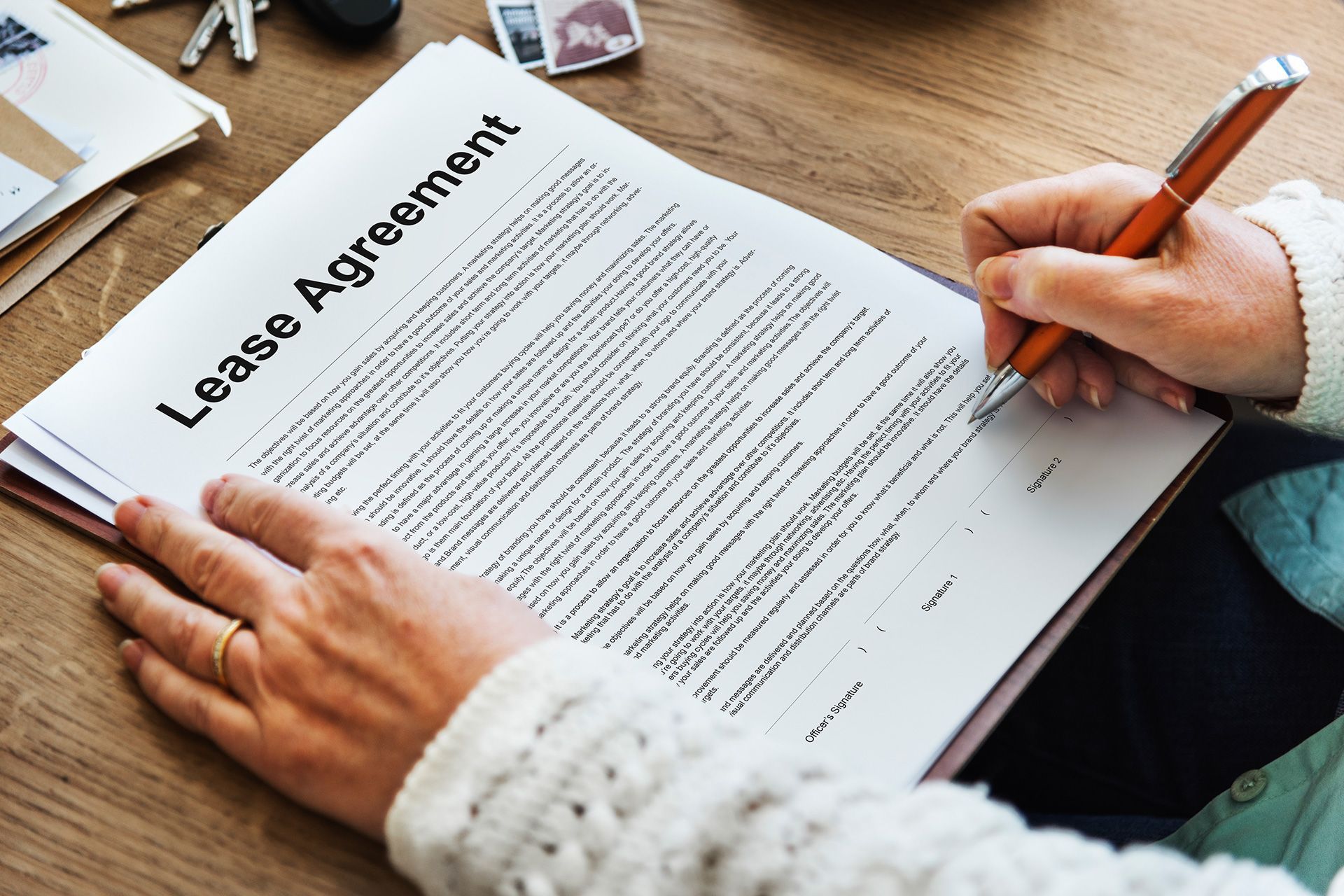
Commercial property maintenance records can also help during refinancing, lease reviews, sales preparation, property condition assessments, and long-term capital planning.
When to Bring in Professional Help
A maintenance checklist helps owners and managers stay alert, but it does not replace professional evaluation. Some concerns require trained inspectors, licensed contractors, engineers, or specialty providers.
Professional help may be needed for roof leaks, electrical hazards, structural cracks, recurring plumbing problems, moisture damage, poor drainage, sewer issues, or repeated HVAC failures.
Regular commercial building maintenance services can also support owners without a full in-house facilities team. The goal is to identify concerns early and connect the right professional to the right issue.
Conclusion
A commercial building maintenance checklist helps owners and managers protect building function, safety, appearance, and long-term value. By reviewing exterior areas, interiors, HVAC systems, plumbing, electrical conditions, safety features, seasonal needs, and records, property teams can make better decisions and reduce avoidable disruptions.
At GV Commercial Building Inspections, we help buyers, owners, tenants, investors, lenders, and property managers understand building conditions through detailed commercial inspections, property condition assessments, pre-lease reviews, triple net lease inspections, seller readiness inspections, and capital planning support. Our team provides clear reporting that can support smarter maintenance and property decisions.
Contact us today to schedule your commercial inspection and get the insight you need to manage your property with confidence.
FAQs
What should a commercial building maintenance checklist include?
It should include exterior areas, roof drainage, interiors, HVAC systems, plumbing, electrical conditions, lighting, safety features, parking areas, and maintenance records.
How does a checklist help property owners?
A checklist helps owners stay organized, document building conditions, plan repairs, and reduce the chance of missed maintenance tasks. It also supports communication with vendors and tenants.
Is building maintenance only for older properties?
No. Newer buildings also need routine care. Regular checks help identify installation issues, wear and tear, tenant damage, drainage problems, and system concerns.
When should I call a professional inspector?
Call a professional when you notice recurring leaks, structural cracks, electrical concerns, roof damage, moisture issues, drainage problems, or major system concerns.
Can maintenance records help during a property sale?
Yes. Clear records can show how the building has been maintained and help buyers, lenders, and managers better understand the property’s condition and future needs.
Search
Recent Posts