Why Commercial Property Inspections Help for Property Value!
If you own or plan to buy a commercial building in Southern California, protecting your investment is very important. Property values in areas like Los Angeles County, Orange County, San Diego County, and Riverside County are high. That means even small problems can cost thousands of dollars.
A commercial property inspection is one of the best ways to protect and even increase your property value. Whether you own an office building, retail space, warehouse, apartment complex, or industrial property, a detailed inspection gives you the knowledge you need to make smart decisions.
In this article, we will explain how commercial property inspections help increase property value and why they are so important in Southern California.
What Is a Commercial Property Inspection?
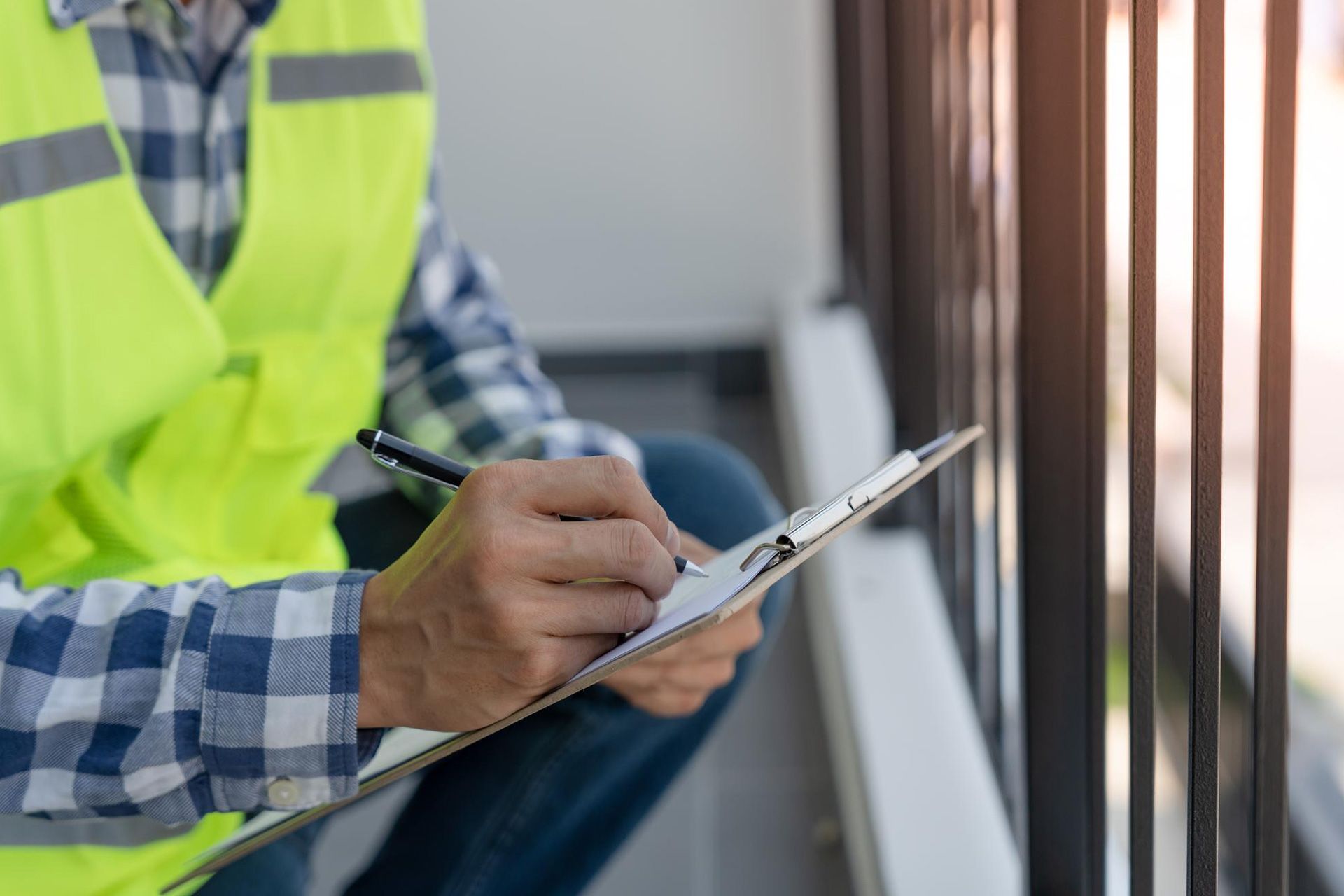
A commercial property inspection is a detailed evaluation of a building’s condition. A trained inspector looks at major systems and structures, including:
- Roof
- Foundation
- Electrical systems
- Plumbing
- HVAC systems
- Parking lots
- Exterior walls
- Structural components
The goal is to identify problems, safety concerns, and maintenance needs.
Unlike a simple walk-through, a professional inspection gives you a full report that explains current issues and possible future risks.
Why Property Value Matters in Southern California
Commercial real estate in Southern California is competitive and expensive. Cities near the coast and inland business hubs continue to grow. Because of this:
- Buyers expect buildings to be in good condition.
- Lenders require inspections before financing.
- Tenants want safe and well-maintained spaces.
- Insurance companies may request inspection reports.
A property with hidden issues can quickly lose value. On the other hand, a well-maintained property with a clean inspection report often sells faster and at a better price.
1. Inspections Help You Discover Hidden Problems
Some issues are easy to see. Others are hidden behind walls, under roofing materials, or inside mechanical systems.
For example:
- Roof leaks may not show until serious damage occurs.
- Electrical panels may be outdated.
- HVAC systems may be near the end of their lifespan.
- Foundation cracks may signal structural concerns.
If these issues go unnoticed, they can grow into major repairs. Major repairs reduce property value and scare away buyers.
A commercial inspection helps you catch these problems early. Fixing them before they get worse protects your investment.
2. Inspections Increase Buyer Confidence
If you plan to sell your commercial property, an inspection report can be a powerful tool.
When buyers see a recent professional inspection:
- They feel more confident about the purchase.
- They are less worried about surprise repairs.
- They may be willing to pay closer to your asking price.
In competitive Southern California markets, trust matters. A clean inspection report shows transparency and professionalism.
This can give your property a strong advantage over similar buildings that do not have inspection documentation.
3. Inspections Help With Negotiations
If you are buying commercial property, an inspection gives you negotiation power.
For example, if the inspection finds:
- Roof damage
- Plumbing leaks
- Structural cracks
- Code concerns
You may be able to:
- Request repairs before closing.
- Ask for a price reduction.
- Negotiate credits toward future repairs.
Without an inspection, you may overpay for a building with hidden problems. That directly impacts the property’s real value.
4. Preventive Maintenance Protects Long-Term Value
Commercial buildings face constant wear and tear. Southern California properties also deal with:
- Heat and sun exposure
- Earthquake risks
- Coastal moisture (in some areas)
- Heavy usage from tenants and customers
Regular inspections allow owners to create a preventive maintenance plan.
Instead of reacting to emergencies, you can:
- Replace aging equipment before failure.
- Repair minor cracks before they expand.
- Maintain roofing systems properly.
- Keep plumbing systems functioning efficiently.
Preventive maintenance keeps the property in strong condition. A well-maintained building keeps its value much better than a neglected one.
5. Inspections Help With Insurance and Liability
Insurance companies often require accurate property information. If a major issue occurs and you did not maintain the building properly, claims may become complicated.
A commercial inspection helps you:
- Identify safety hazards.
- Reduce liability risks.
- Document building condition.
- Show proof of responsible ownership.
For example, unsafe stairs, damaged walkways, or faulty wiring can lead to injuries and lawsuits. Addressing these risks protects both people and property value.
6. Lenders Often Require Inspections
If you are refinancing or purchasing with financing, lenders frequently require inspections.
Banks want to protect their investment. They need to confirm that:
- The building is structurally sound.
- Major systems are functioning.
- The property supports its appraised value.
A strong inspection report can help speed up loan approval. A poor inspection may delay financing or require additional repairs before approval.
7. Inspections Support Accurate Property Appraisals
Appraisers evaluate property value based on condition, location, income potential, and market trends.
If your building has:
- New HVAC systems
- A well-maintained roof
- Updated electrical systems
- No major structural concerns
It will likely receive a stronger valuation.
If serious issues are present, the appraised value may drop significantly.
By addressing inspection findings early, you protect the appraised value of your commercial property.
8. Inspections Help Multi-Tenant Property Owners
If you own office buildings, retail centers, or apartment complexes, inspections are even more important.
Multiple tenants mean:
- More wear on plumbing and HVAC systems.
- Increased liability exposure.
- Higher safety expectations.
- More maintenance needs.
Regular inspections help ensure your property remains safe and attractive to tenants. High occupancy rates and happy tenants directly support property value.
9. Earthquake and Structural Concerns in Southern California
Southern California is known for seismic activity. Structural integrity is critical.
A commercial inspection can identify:
- Foundation movement
- Cracks in load-bearing walls
- Structural damage
- Signs of settling
Catching structural concerns early can prevent expensive reconstruction later.
In a region where earthquakes are possible, strong structural conditions greatly affect property value and insurability.
10. Inspections Improve Long-Term Investment Strategy
Commercial real estate is often a long-term investment. Smart investors think ahead.
Inspection reports help you:
- Plan capital improvements.
- Budget for system replacements.
- Schedule upgrades.
- Increase property appeal over time.
When buyers see that a property has been professionally inspected and well maintained for years, they often view it as a lower-risk investment.
Lower risk usually equals stronger value.
How Often Should You Get a Commercial Property Inspection?
For Southern California commercial property owners, inspections are recommended:
- Before buying
- Before selling
- Before refinancing
- Every few years as preventive maintenance
- After major storms or seismic events
Regular inspections create a record of responsible ownership.
Choosing the Right Commercial Inspector
Not all inspectors are the same. For commercial buildings, you need:
- Experience with large systems
- Knowledge of structural components
- Understanding of Southern California conditions
- Clear and detailed reporting
A thorough inspection is not just a checklist. It is a full evaluation that protects your investment.
Final Thoughts
Commercial property inspections do more than identify problems. They protect your investment, increase buyer confidence, support financing, and help maintain long-term property value.
In high-value Southern California markets, skipping an inspection can be a costly mistake.
Whether you own, manage, buy, or sell commercial property, inspections are one of the smartest financial decisions you can make.
Protect your investment and increase your commercial property value, schedule a professional inspection today with GV Commercial Building Inspections.
FAQs About Commercial Property Inspections
How long does a commercial property inspection take?
It depends on the size and complexity of the building. Small properties may take a few hours, while larger buildings can take a full day or more.
Are commercial inspections required by law?
They are not always legally required, but lenders and buyers often require them before closing a deal.
How much does a commercial inspection cost?
Costs vary based on building size, location, and complexity. However, the cost of an inspection is small compared to the cost of unexpected repairs.
Can inspections really increase property value?
Yes. By identifying and fixing issues early, maintaining systems properly, and providing documentation, inspections help preserve and often increase property value.
Do older commercial buildings need inspections more often?
Yes. Older buildings typically have aging systems and structural components that need closer monitoring.
Search
Recent Posts