What Is a Sewer Scope Inspection and Do You Need One?
Whether you’re purchasing a commercial property or maintaining one you already own in Southern California, one component of building health that’s often overlooked is the condition of the sewer system. Standard commercial inspections typically cover HVAC, roofing, electrical, and visible plumbing, but buried sewer lines are another story. That’s where a commercial sewer scope inspection becomes not just helpful, but essential for protecting your investment, avoiding costly damage, and staying ahead of potential liabilities.
In this article, we’ll explain what a sewer scope inspection is, why it matters, when you need one, and how it helps safeguard commercial properties in Southern California’s unique climate and geological conditions.
What Is a Sewer Scope Inspection?
A sewer scope inspection (also referred to as a sewer line inspection or drain inspection) is a non-invasive diagnostic service that uses a specialized waterproof camera mounted on a flexible cable to visually inspect the interior of sewer pipes. The camera is fed through an access point, typically the main cleanout access or drain, allowing a professional inspector to see what’s happening underground in real-time and record video footage of the sewer line’s condition.
This process reveals what a standard inspection simply cannot: blockages, cracks, root intrusion, sagging (called bellying), corrosion, and other issues that could lead to costly repairs or system failures.
Why Sewer Scope Inspections Matter (Especially in Southern California)
While Southern California enjoys mild weather year-round, it also presents unique risks to underground infrastructure, including seismic soil movement, shifting clay-rich soil, and older commercial developments with aging plumbing systems. These conditions can compromise sewer lines over time. Below are some key reasons sewer scope inspections are critical:
1. Detect Hidden Problems Before They Escalate
A camera inspection can identify issues far below ground that wouldn’t otherwise be visible, such as tree roots breaking into pipes, cracked or collapsed sections, major clogs, and pipe misalignment.
2. Prevent Costly Repairs
Replacing or repairing sewer lines is one of the most expensive plumbing situations a commercial property owner can face. A sewer scope inspection is a proactive step that helps you catch problems early, before they cause a backup or system failure.
3. Protect Structural Integrity and Sanitation
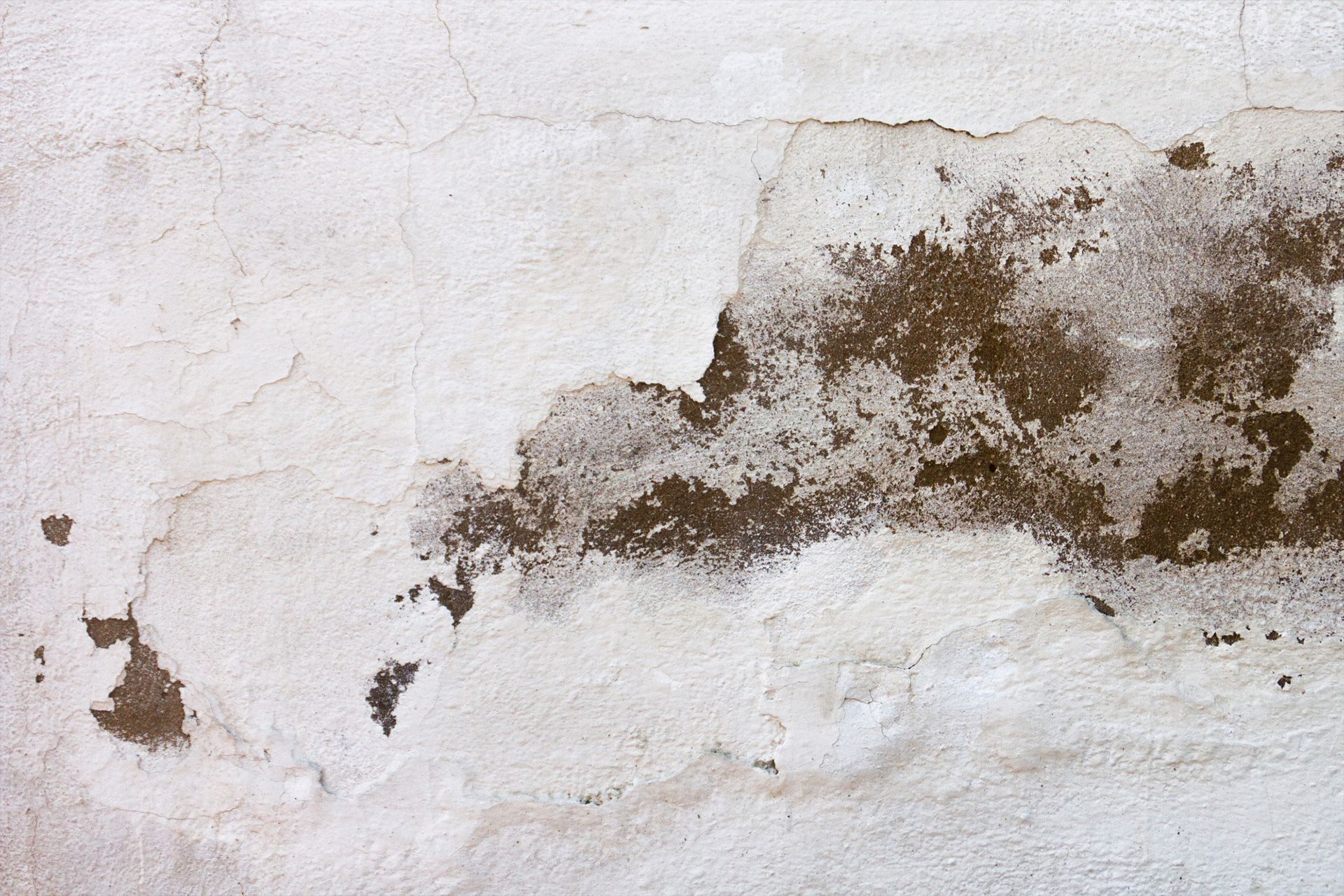
Leaks or blockages in sewer lines can lead to wastewater backup, structural damage to foundations, mold growth, and unpleasant odors. All of these can pose health hazards and lead to regulatory issues in commercial spaces.
4. Informed Decision-Making for Buyers and Owners
For buyers of commercial property, or existing owners planning renovations or tenant improvements, knowing the true condition of the sewer line gives you negotiating power and peace of mind.
How a Sewer Scope Inspection Works
Here’s what you can expect when you schedule a sewer scope inspection:
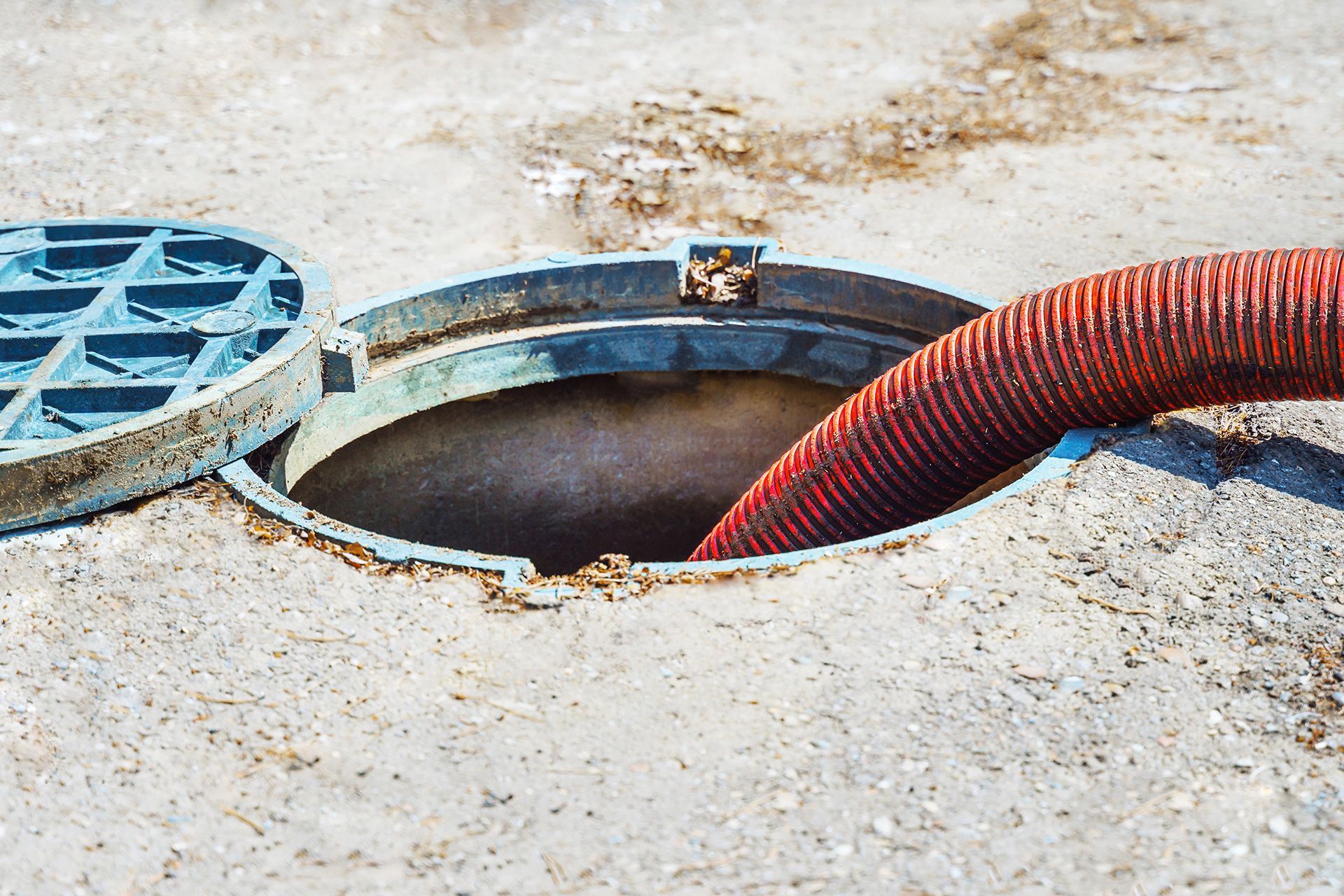
- Access Point Location – The inspector locates the main sewer access point, often near the building’s foundation or outside cleanout.
- Camera Insertion – A plumber or inspector feeds the flexible cable with a camera into the sewer line.
- Live Inspection – The camera sends video footage to a monitor in real time, allowing the inspector to visually evaluate the condition of the sewer line.
- Report & Recommendations – After the scan, you receive a detailed report (often with video), so you understand any issues and next steps.
Inspections typically take anywhere from 30 minutes to an hour depending on the complexity of the system and site accessibility.
Signs Your Commercial Property May Need a Sewer Scope Inspection
Although any commercial property can benefit from a sewer scope inspection, certain red flags suggest the service is especially important:
- Slow drains or frequent backups – Recurring blockages are often a symptom of deeper line issues.
- Unusual landscape patterns – Patches of extra lush grass may indicate sewer leaks fertilizing the soil.
- Large trees or mature landscaping near sewer paths – Roots can grow into sewer lines over time.
- Older building construction – Structures over 20-25 years old may have outdated or degraded pipes that are more prone to damage.
- Cracks in driveways or slab floors – Soil shifting from sewer leaks can lead to visible surface issues.
If your property exhibits any of these signs, or if you’re considering a sale or purchase in Southern California, a sewer line inspection is a smart, cost-effective precaution.
Conclusion
A commercial sewer scope inspection is a critical part of due diligence for property buyers, landlords, and business owners, especially in Southern California, where soil conditions, climate factors, and aging infrastructure can hide significant problems beneath the surface. Investing in regular sewer line inspections and drain inspections not only protects your property but also minimizes unexpected repair costs and operational disruptions down the road.
Don’t leave your sewer lines to chance, schedule a professional sewer scope inspection today to safeguard your property investment!
Ready to protect your commercial property? Contact GV Commercial Building Inspections now for expert sewer scope inspections!
Frequently Asked Questions (FAQs)
Does a standard commercial inspection include a sewer scope?
No. A sewer scope inspection is a specialized service outside the scope of standard property or building inspections, and must be ordered separately.
How much does a sewer scope inspection cost?
The cost of a sewer line inspection varies by location and complexity, generally ranging from a few hundred dollars for basic inspections to higher amounts if multiple lines or difficult access points are involved.
What problems can a sewer camera inspection find?
Inspections can identify cracks, corrosion, blockages, root intrusion, sagging pipes (bellies), and other structural defects.
How often should commercial sewer lines be inspected?
While frequency depends on age and usage, annual inspections are recommended for older properties or after any noticeable issues arise.
Can sewer scope inspections prevent backups?
While inspections don’t prevent backups directly, by identifying issues early you can address them before they lead to severe backups or failures.
Disclaimer: The information on this website and blog is for general informational purposes only and is not professional advice. We make no guarantees of accuracy or completeness. We disclaim all liability for errors, omissions, or reliance on this content. Always consult a qualified professional for specific guidance.
Search
Recent Posts