Common Problems Found During A Sewer Pipe Inspection
Sewer problems are often hidden underground, where property owners cannot easily see them.
In some cases, A sewer line may appear to function normally even while hidden issues are developing inside the pipes. Over time, these issues can lead to backups, water damage, expensive repairs, and major disruptions for commercial properties.
That is why a professional sewer line inspection is an important part of property maintenance and due diligence. A sewer system inspection helps identify hidden issues before they become larger and more costly problems.
Whether you own, manage, or plan to purchase a commercial property, understanding the most common sewer issues can help you protect your investment and avoid unexpected surprises.
In this guide, we explain the most common problems found during a sewer pipe inspection and why early detection matters.
What Is a Sewer Pipe Inspection?
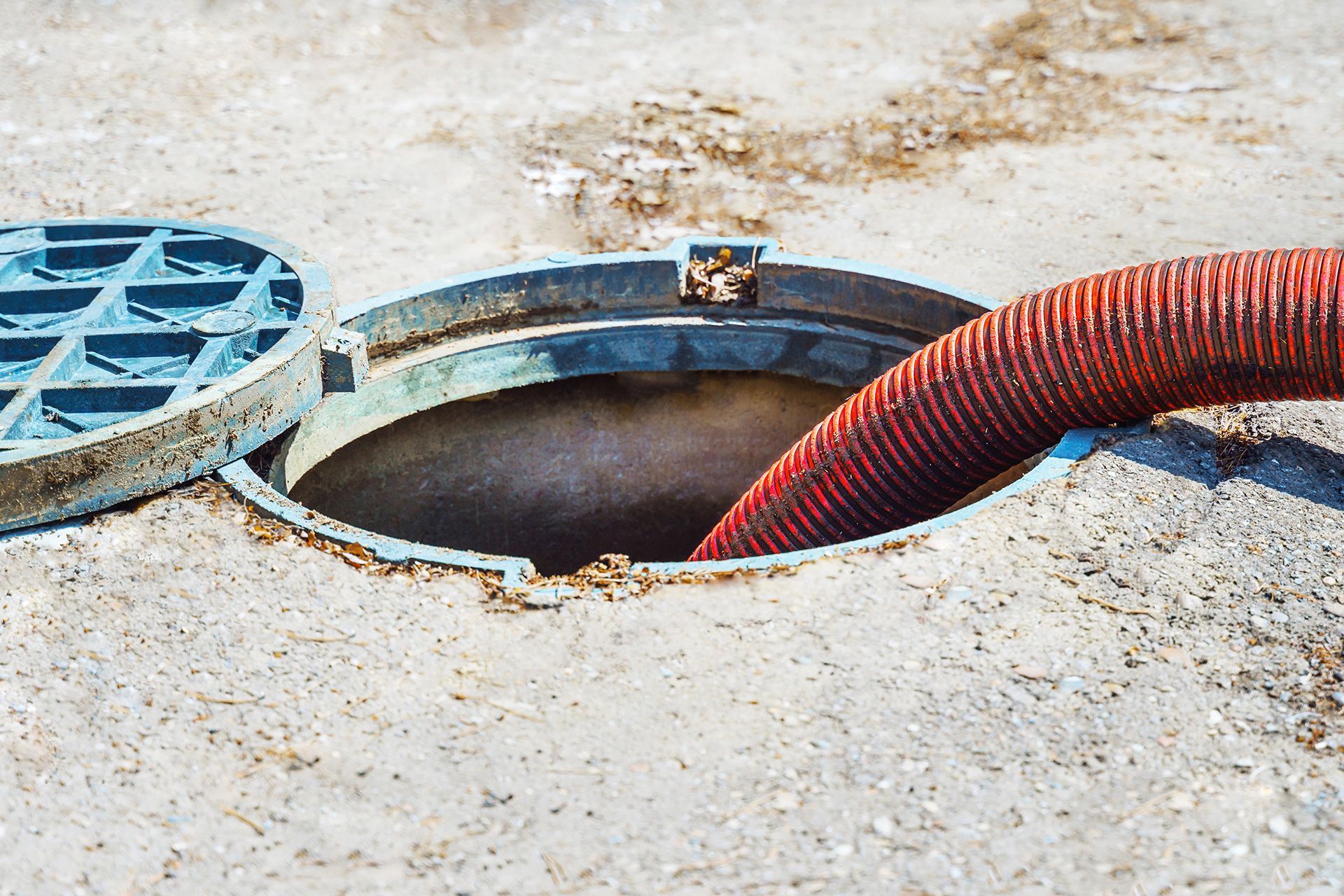
A sewer pipe inspection uses specialized camera equipment to examine the inside of underground sewer lines. Inspectors insert a waterproof camera into the system to evaluate pipe conditions in real time.
A sewer inspection can reveal:
- Cracks and pipe damage
- Blockages
- Corrosion
- Root intrusion
- Pipe separation
- Drainage problems
- Structural failure
This process helps property owners understand the condition of the sewer system without excavation or destructive testing.
Why Sewer System Inspections Are Important
Commercial sewer systems handle large amounts of wastewater every day. Over time, aging pipes, moisture, debris, and ground movement can damage underground sewer lines.
A sewer system inspection helps:
- Detect hidden problems early
- Prevent emergency repairs
- Reduce property damage risks
- Support maintenance planning
- Protect long-term property value
Without regular inspections, sewer issues may remain unnoticed until backups or failures occur.
1. Tree Root Intrusion
Tree root intrusion is one of the most common problems found during a underground pipe inspection. Tree roots naturally seek moisture underground. Even small cracks or loose pipe joints can attract roots seeking water. Once roots enter the sewer line, they continue to grow and expand inside the pipe.
Problems Caused by Root Intrusion
Roots can:
- Block wastewater flow
- Crack pipes further
- Trap debris inside the line
- Cause recurring backups
- Weaken the sewer system structure
Older clay and concrete pipes are especially vulnerable to root damage.
Signs of Root Problems
Common warning signs include:
- Slow drains
- Frequent clogs
- Gurgling sounds
- Sewer odors
- Recurring plumbing issues
A sewer camera inspection can clearly identify root intrusion and help determine the severity of the problem.
2. Pipe Cracks and Fractures
Underground sewer pipes can crack over time due to age, soil movement, pressure, or corrosion.
Small cracks may not immediately affect performance, but they can worsen if left untreated.
Common Causes of Sewer Pipe Cracks
- Ground settling
- Heavy traffic above pipes
- Freezing and thawing
- Aging materials
- Poor installation
Cracked pipes can allow water and debris to enter or escape the system, leading to leaks and structural damage.
Why Cracked Pipes Are Serious
Cracks may lead to:
- Sewer leaks
- Soil erosion
- Foundation issues
- Pipe collapse
- Contamination risks
During a sewer pipe inspection, cameras help locate the exact position and extent of damage.
3. Pipe Bellies and Sagging Sections
A pipe belly occurs when part of the sewer line sinks lower than the surrounding pipe. This creates a low area where water and waste collect rather than flow properly.
Why Pipe Bellies Develop
Pipe bellies may develop because of:
- Soil settlement
- Poor installation
- Ground movement
- Heavy surface loads
Standing water inside sagging sections increases the risk of blockages and buildup.
Problems Caused by Pipe Bellies
Pipe bellies often lead to:
- Slow drainage
- Frequent clogs
- Waste accumulation
- Increased pipe wear
A sewer system inspection helps identify these low areas before they create major drainage problems.
4. Corrosion and Deterioration
Older sewer systems may develop corrosion inside metal pipes. Over time, moisture and wastewater chemicals slowly break down pipe materials.
Common Signs of Corrosion
Inspectors often find:
- Flaking pipe walls
- Rust buildup
- Surface deterioration
- Weak pipe sections
Corroded pipes become more likely to crack, leak, or collapse.
Commercial Buildings at Higher Risk
Commercial properties with older plumbing systems are especially vulnerable to corrosion issues. Industrial facilities and buildings with high wastewater usage may experience faster pipe deterioration.
A sewer inspection helps property owners understand whether aging pipes still function safely or require repair planning.
5. Grease and Debris Buildup
Grease, soap residue, sediment, and debris can slowly collect inside sewer lines over time.
Restaurants and commercial kitchens are especially prone to buildup problems because grease can harden inside pipes, restricting wastewater flow.
Common Materials Found During Inspections
Inspectors often find:
- Grease buildup
- Paper products
- Sediment accumulation
- Food waste
- Mineral deposits
Why Buildup Is a Problem
Blockages can:
- Reduce pipe capacity
- Slow drainage
- Increase backup risks
- Cause unpleasant odors
A sewer pipe inspection can identify buildup levels before complete blockages occur.
6. Pipe Misalignment and Separation
Sewer pipes consist of multiple connected sections. Over time, these sections may shift or separate due to soil movement or structural pressure.
Causes of Pipe Separation
- Ground settling
- Earth movement
- Aging joints
- Poor installation
- Nearby construction vibration
Separated joints allow water and debris to enter the system while increasing the risk of root intrusion.
Risks Associated With Misaligned Pipes
Misaligned pipes can:
- Interrupt wastewater flow
- Create leaks
- Increase clog risks
- Cause structural instability
A sewer inspection camera helps inspectors evaluate pipe alignment throughout the system.
7. Collapsed Sewer Lines
A collapsed sewer line is one of the most serious problems found during a sewer system inspection.
Pipe collapse may occur because of:
- Severe corrosion
- Heavy root intrusion
- Ground pressure
- Long-term deterioration
- Traffic loads above pipes
Warning Signs of a Collapse
Possible signs include:
- Repeated sewer backups
- Standing wastewater
- Strong sewer odors
- Drainage failure
- Sinkholes near the property
Collapsed sewer lines often require immediate attention to prevent further damage.
How Sewer Inspections Help Property Owners
A professional sewer inspection gives property owners valuable information about underground plumbing conditions.
Early detection allows owners to:
- Address problems before failure occurs
- Plan future repairs
- Reduce emergency maintenance costs
- Protect tenants and occupants
- Support property investment decisions
Sewer inspections are especially valuable when purchasing commercial property because many underground issues are invisible during standard walkthroughs.
When Should You Schedule a Sewer Inspection?
A sewer inspection is recommended when:
- Buying a commercial property
- Experiencing recurring drain problems
- Managing older buildings
- Planning renovations
- Investigating water damage or backups
Routine inspections can also support long-term maintenance planning and reduce future surprises.
Conclusion
Many serious sewer problems begin underground long before visible signs appear inside a building. Issues such as root intrusion, cracked pipes, corrosion, blockages, and pipe collapse can lead to costly repairs and major disruptions if ignored.
A professional sewer system inspection helps identify these hidden issues early so property owners can make informed decisions about maintenance, repairs, and property investments.
At GV Commercial Building Inspections, we help commercial property owners and investors better understand building conditions through detailed inspection services, including sewer pipe inspection evaluations. Our team focuses on identifying hidden concerns that may affect a property's long-term condition and value.
If you are concerned about the condition of a commercial sewer system or preparing to purchase a property, contact us today to schedule a professional inspection.
FAQs
What is a sewer inspection?
A sewer inspection uses specialized cameras to examine underground sewer lines for damage, blockages, leaks, and structural issues.
Why is a sewer system inspection important?
A sewer system inspection helps detect hidden problems early before they lead to backups, property damage, or expensive repairs.
What are the most common sewer pipe problems?
Common problems include tree root intrusion, cracked pipes, corrosion, blockages, pipe bellies, and collapsed sewer lines.
Can sewer problems affect commercial property value?
Yes. Serious sewer issues can lead to expensive repairs, operational disruptions, and reduced property value if not addressed properly.
How often should sewer inspections be performed?
Inspection frequency depends on the property's age and condition, but older commercial buildings often benefit from regular sewer evaluations.
Disclaimer: The information on this website and blog is for general informational purposes only and is not professional advice. We make no guarantees of accuracy or completeness. We disclaim all liability for errors, omissions, or reliance on this content. Always consult a qualified professional for specific guidance.
Search
Recent Posts