The Importance of Commercial Phase 1 Inspections
When investing in commercial real estate, most buyers focus on square footage, location, and projected return on investment. While those are critical factors, one of the most overlooked yet essential steps is conducting a Phase 1 Environmental Site Assessment (ESA)—commonly referred to as a Phase 1 inspection.
A Phase 1 inspection isn’t about the roof, walls, or mechanical systems. Instead, it’s about uncovering potential environmental risks that could lead to financial liability, regulatory issues, or even health concerns down the road.
What Is a Phase 1 Commercial Inspection?
A Phase 1 ESA is a detailed investigation performed by a qualified inspector or environmental professional. The goal is to identify the presence—or likely presence—of contamination such as petroleum products, hazardous chemicals, asbestos, or other environmental risks on or near the property.
This process typically involves:
- Reviewing historical records and aerial maps of the property.
- Researching past land use, zoning records, and ownership history.
- Conducting interviews with current and previous owners or occupants.
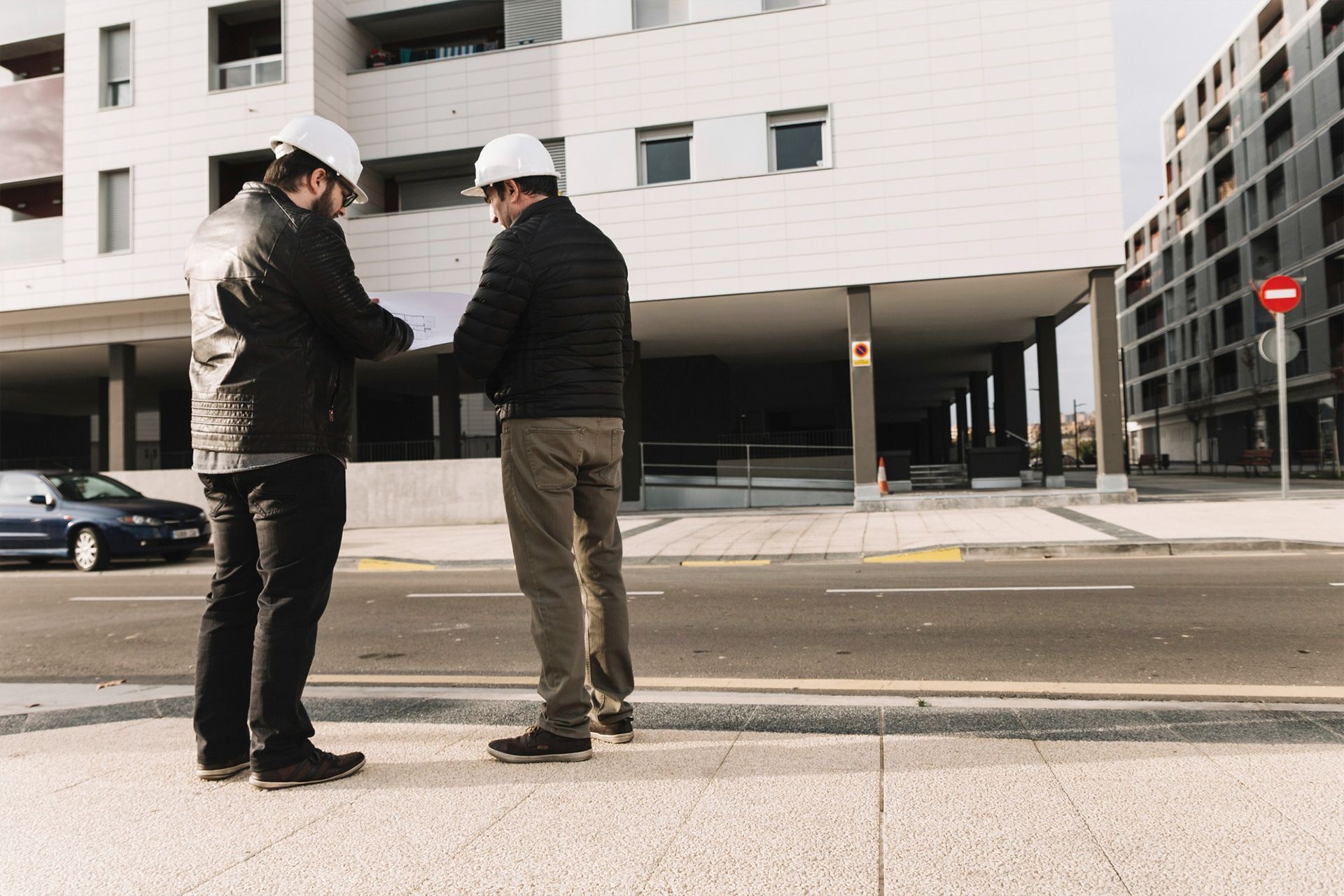
- Inspecting the site itself for potential “red flags.”
The outcome is a comprehensive report detailing any recognized environmental conditions (RECs) that could affect the property’s value or safety.
Why a Phase 1 Inspection Matters
Skipping this step may seem like a cost-saving measure at first, but it can lead to massive financial consequences later. Consider these risks:
- Hidden Liability: If contamination is discovered after purchase, the new owner can be held legally responsible for cleanup costs—even if they didn’t cause the problem.
- Financing Roadblocks: Most lenders require a Phase 1 ESA before approving a commercial real estate loan. Without it, securing financing may be impossible.
- Property Value Protection: Environmental issues can dramatically lower resale value and scare off potential tenants or buyers.
- Regulatory Compliance: Identifying and addressing environmental concerns early helps ensure compliance with local, state, and federal regulations.
Who Needs a Phase 1 Inspection?
Phase 1 inspections are essential for nearly all types of commercial real estate transactions, including:
- Office buildings
- Retail centers
- Industrial facilities
- Multi-family apartment complexes
- Vacant land with potential for future development
Even if the site looks “clean,” prior use could have left behind hidden risks. For example, a property that once hosted a gas station, dry cleaner, or manufacturing plant may still harbor contamination beneath the surface.
Peace of Mind for Investors and Owners
Ultimately, a Phase 1 inspection provides peace of mind. By uncovering risks early, you can make informed decisions—whether that means renegotiating the purchase price, requiring the seller to address the issue, or moving forward with confidence.
For commercial buyers, sellers, and lenders, it’s not just a smart step—it’s a necessary safeguard for long-term success.
Bottom line: A commercial Phase 1 inspection isn’t just about compliance—it’s about protecting your investment, your reputation, and your financial future
Search
Recent Posts